
Hormuz Strait Fertilizer Shipping Halted; Energy-Efficient Commercial Coolers Gain Procurement Focus
by
Published
Views:
Recent navigation restrictions in the Strait of Hormuz have effectively halted maritime transport of nitrogen-based fertilizers from the Middle East, with implications emerging across global agricultural input supply chains and downstream retail infrastructure. Though the exact timing remains unconfirmed in available reports, the disruption is already influencing procurement priorities in energy-intensive commercial refrigeration—particularly in European supermarkets. Stakeholders in fertilizer trade, cold chain logistics, retail equipment procurement, and industrial energy management should monitor this development closely, as it signals a cascading shift in operational cost drivers and capital expenditure criteria.
Event Overview
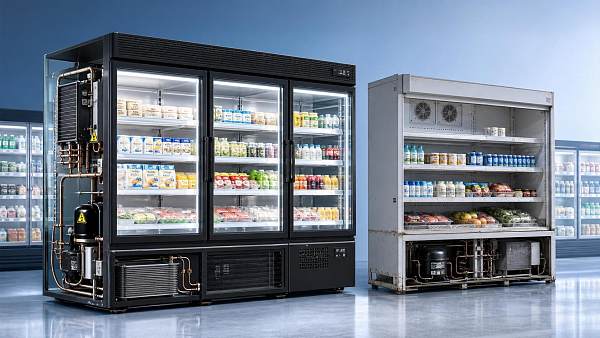
Navigational constraints in the Strait of Hormuz have led to near-total suspension of seaborne nitrogen fertilizer shipments from the Middle East. This has contributed to rising agricultural energy costs globally. In response, multiple European supermarket chains are accelerating tenders for open-air curtain display cases equipped with intelligent energy management systems—specifically requiring AI-driven load forecasting and off-peak electricity pre-cooling capabilities. Concurrently, inquiries from global buyers regarding Chinese manufacturers’ Commercial Thermo & Vision AI solutions increased by 37% week-on-week.
Industries Affected
Direct Trade Enterprises (Fertilizer Exporters/Importers)
These firms face immediate port call cancellations, extended voyage times, and revised charter terms. The impact manifests primarily as reduced shipment volumes, delayed revenue recognition, and increased demurrage or insurance costs on affected routes.
Raw Material Procurement Entities (Agricultural Input Buyers)
Farm cooperatives, agri-input distributors, and national fertilizer procurement agencies are experiencing upward pressure on landed costs and delivery uncertainty. This affects seasonal planning cycles and may trigger early inventory builds or regional sourcing shifts.
Retail Equipment Procurement & Facility Management Teams
Supermarket operators and retail facility managers—especially in electricity price-sensitive markets like Germany, France, and the Netherlands—are re-evaluating refrigeration CAPEX criteria. Energy efficiency metrics, grid-responsive control logic, and integration with utility time-of-use tariffs are now explicit evaluation parameters in new tender specifications.
Commercial Refrigeration Manufacturers & System Integrators
Vendors supplying open-air display cases and smart thermal management systems face intensified technical scrutiny during bidding. Requests now routinely specify interoperability with building energy management systems (BEMS), verifiable AI load prediction accuracy, and documented performance under dynamic tariff structures.
What Relevant Enterprises or Practitioners Should Monitor and Do Now
Track official updates on Strait of Hormuz navigational advisories
Monitor statements from the International Maritime Organization (IMO), UKMTO, and regional maritime authorities—noting whether restrictions are administrative, security-related, or environmental in origin—as each carries distinct duration and scalability implications.
Assess exposure to nitrogen fertilizer–dependent operations or contracts
Review current fertilizer supply agreements, especially those referencing Gulf-origin cargoes or CIF/FOB terms tied to Persian Gulf ports. Flag clauses related to force majeure, delay penalties, or alternative sourcing obligations.
Evaluate refrigeration fleet energy profiles against evolving electricity pricing models
For retailers and facility operators: audit existing open-curtain case energy consumption patterns, compare against local time-of-use tariff schedules, and benchmark against newly specified AI pre-cooling requirements before next procurement cycle.
Verify vendor claims on AI thermal control functionality
When evaluating Commercial Thermo & Vision AI solutions, request third-party validation reports (e.g., EN 16895-compliant testing) for load forecasting accuracy, response latency to tariff signal changes, and actual kWh reduction data under real-world grid conditions—not just lab-mode benchmarks.
Editorial Perspective / Industry Observation
Observably, this is not merely a localized shipping incident but an early indicator of how maritime infrastructure stress points can rapidly propagate into equipment-level procurement standards. Analysis shows the shift toward AI-enabled, tariff-aware cold storage systems reflects a broader recalibration of total cost of ownership—where energy cost volatility now outweighs upfront hardware savings in decision hierarchies. From an industry perspective, this development is best understood not as a short-term anomaly, but as a structural signal: energy resilience is becoming a non-negotiable functional requirement in commercial refrigeration specification, independent of geography or climate zone. Continuous monitoring is warranted—not only for Strait-related updates, but also for parallel policy developments in EU energy labeling regulations and national grid demand-response frameworks.
This incident underscores how infrastructural bottlenecks in one segment of the global supply chain—in this case, bulk agricultural commodity shipping—can directly reshape technical procurement criteria in seemingly unrelated downstream sectors. It does not yet represent a systemic overhaul, but rather an accelerating inflection point where energy cost predictability begins to govern hardware selection at scale. Current interpretation should therefore emphasize contingency awareness over crisis response: the event highlights evolving interdependencies, not imminent breakdown.
Source: Public tender announcements from European supermarket groups (unspecified); weekly inquiry trend data reported by unnamed Chinese commercial refrigeration solution providers; maritime advisory notices referenced via industry distribution channels. Note: Duration and scope of Strait of Hormuz restrictions remain subject to ongoing observation and official confirmation.
Recommended News
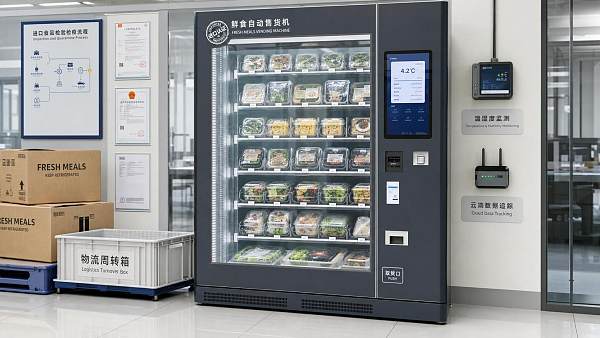
 Jul 14, 2026METI Opens JIS S 8201-2026 Portal for Fresh Food VendingMETI opens the JIS S 8201-2026 portal for Fresh Food Vending, setting a fast-moving path to Japan market access. Learn the deadlines, compliance requirements, and why early action matters.
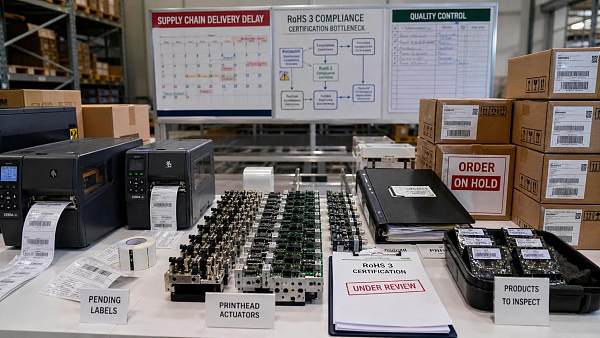
 Jul 14, 2026Thermal Barcode Printer Lead Times Hit 24 WeeksThermal barcode printer lead times hit 24 weeks as RoHS 3 recertification delays shipments. Learn what exporters, buyers, and distributors should do now to reduce supply risk.
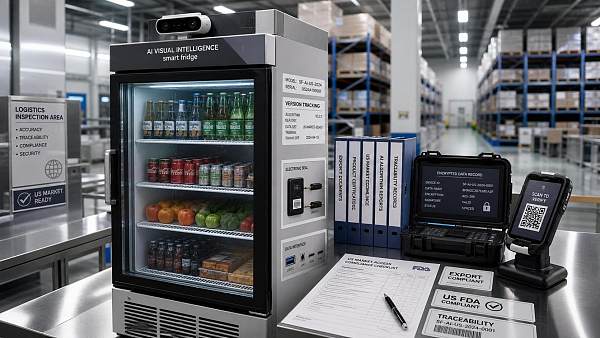
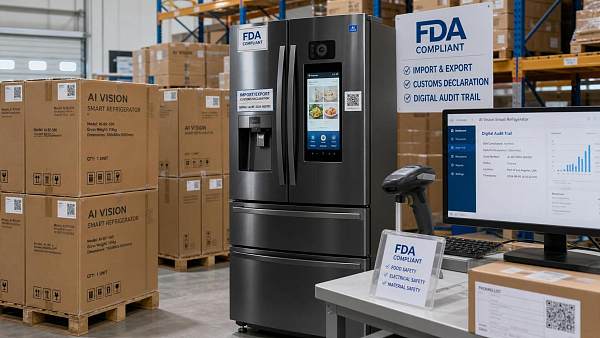
 Jul 14, 2026FDA Sets Data Integrity Rules for AI Vision Smart FridgesFDA Sets Data Integrity Rules for AI Vision Smart Fridges: learn how new U.S. compliance demands on audit trails, encrypted logs, and algorithm versioning may affect shipments, updates, and market access.
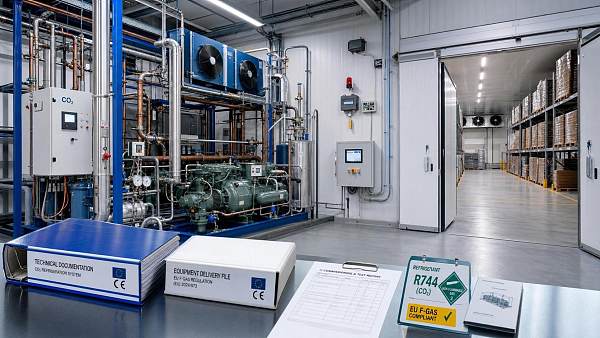
 Jul 14, 2026EU Tightens F-Gas Timeline for Cold RoomsEU Tightens F-Gas Timeline for Cold Rooms: learn how Regulation (EU) 2026/1389 accelerates CO2 cascade compliance, CE marking updates, and EU import readiness for exporters and buyers.
 Jul 14, 2026Linen Laundry Systems for Hotels: How to Size Capacity, Workflow, and Utility DemandLinen laundry systems for hotels: learn how to size capacity, streamline workflow, and estimate utility demand to cut costs, avoid bottlenecks, and improve linen quality.
 Jul 14, 2026Specification Planning Resources: How to Build a Reliable Equipment Requirement SheetSpecification planning resources help you build a reliable equipment requirement sheet with clear criteria, compliance checks, and lifecycle thinking to reduce risk and improve supplier selection.
 Jul 14, 2026High-Efficiency Refrigeration Price Breakdown: What Impacts CAPEX and Operating Cost?High-efficiency refrigeration price explained: discover what drives CAPEX, energy use, maintenance, and ROI so you can compare quotes smarter and cut long-term cooling costs.
 Jul 14, 2026Unmanned Retail Technology in Southeast Asia: Market Drivers, Local Challenges, and Rollout ModelsUnmanned retail technology Southeast Asia is scaling fast. Explore market drivers, local barriers, and rollout models shaping smarter, resilient retail growth.
 Jul 13, 2026Vietnam Opens Retail Terminal Pre-Compliance PortalVietnam Opens Retail Terminal Pre-Compliance Portal: learn how Decree 12/2026/ND-CP affects robotic retail terminals, audits, penalties, and market-entry timing in Vietnam.
 Jul 13, 2026Thermal Barcode Printer Lead Times Reach 22 WeeksThermal Barcode Printer lead times hit 22 weeks as EU RoHS 3 recertification delays key models. See how EEA retail buyers and POS integrators can protect Q3-Q4 rollout plans.
 Jul 13, 2026METI Speeds Imports for JIS S 8201-2026 Food Vending MachinesMETI speeds imports for JIS S 8201-2026 food vending machines, cutting Japan certification from 11 weeks to 4. See what exporters, buyers, and compliance teams should do now.
 Jul 13, 2026FDA opens shorter review path for edge AI fridgesFDA opens a shorter review path for edge AI fridges, signaling faster 510(k) clearance, lower compliance barriers, and stronger U.S. market entry potential for offline, data-sovereign smart fridge makers.
 Jul 13, 2026Supermarket Cold Chain Solutions Cost: What Drives CAPEX, OPEX, and PaybackSupermarket cold chain solutions cost goes beyond upfront pricing. Learn what drives CAPEX, OPEX, compliance risk, and realistic payback to make smarter investment decisions.
 Jul 13, 2026How to Structure a Technical Product Comparison for Global Supplier EvaluationTechnical product comparison global teams can trust: learn how to evaluate suppliers with weighted scoring, compliance checks, lifecycle cost analysis, and evidence-based criteria.
 Jul 13, 2026Smart Fridge Vending Systems for Offices: Best Fit Scenarios and Setup BasicsSmart fridge vending systems for offices: discover the best-fit workplace scenarios, setup basics, and key factors for safer fresh food, smoother access, and lower operating friction.
 Jul 13, 202615-Inch Commercial Capacitive Touchscreens: Key Specs to Compare Before You BuyCommercial capacitive touch 15 inch displays vary widely in brightness, touch accuracy, sealing, and integration. Compare the key specs before you buy for better uptime and lower costs.
 Jul 13, 2026OEM Sourcing Support for Exporters: How to Vet Suppliers and Control Delivery RiskOEM sourcing support exporter strategies to vet suppliers, verify compliance, and reduce delivery risk. Learn practical steps to protect margins, avoid delays, and improve export reliability.
 Jul 12, 2026Vietnam Fast-Track Portal Cuts Vending Approval TimeVietnam Fast-Track Portal cuts fresh food vending approval from 90 to 12 working days. Learn the compliance conditions, importer requirements, and how to speed market entry.
 Jul 12, 2026Self-Checkout Kiosk Lead Times Reach 18 WeeksSelf-checkout kiosk lead times reach 18 weeks as new BIS export license rules tighten advanced logic IC supply. See how LATAM and Middle East retail projects, sourcing, and delivery commitments may be affected.
 Jul 12, 2026UK Procurement Update Lifts CO2 Cold RoomsUK Procurement Update lifts CO2 cold rooms with a 15% tender scoring bonus. See how EN 378-1:2025 and GWP below 5 could reshape UK public-sector bids after September 2026.
 Jul 12, 2026FDA Sets Aug. 1 Rule for AI Vision Smart FridgesFDA Sets Aug. 1 Rule for AI Vision Smart Fridges: learn how 72-hour AES filing, registration numbers, and Part 11 audit logs will impact U.S. imports, delivery timing, and compliance planning.
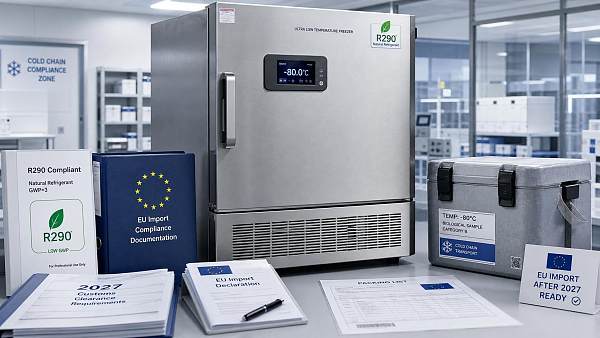
 Jul 12, 2026EU Requires R290 for ULT Freezers After 2027EU requires R290 for ULT freezers after 2027. Learn how the new F-Gas amendment affects exports, customs clearance, and compliant buying for EU medical, biotech, and research markets.
 Jul 12, 2026How to Use an Industrial Sourcing Information Supplier Directory to Shortlist Reliable VendorsUse an industrial sourcing information supplier directory to shortlist reliable vendors faster. Learn how to assess fit, compliance, support, and risk before negotiation.
 Jul 12, 2026R290 Commercial Refrigeration Systems vs Traditional Refrigerants: Efficiency, Compliance, and LimitsR290 commercial refrigeration systems vs traditional refrigerants: compare efficiency, compliance, safety limits, and total cost to choose the right future-ready cooling platform.





Editor's Selection
The Archive Newsletter
Critical industrial intelligence delivered every Tuesday. Peer-reviewed summaries of the week's most impactful logistics and market shifts.