Klarna & EZContacts Launch BNPL for Eyewear
Lead: Klarna’s partnership with EZContacts—the largest U.S. online eyewear retailer—to launch interest-free buy-now-pay-later (BNPL) financing marks a pivotal integration of frictionless checkout and flexible payment in a specialized retail vertical. Though the exact timing remains unconfirmed, the initiative is already reshaping procurement behavior across B2B2C touchpoints including pharmacies, optometry clinics, and airport duty-free stores—accelerating demand for self-checkout kiosks and triggering measurable supply-chain responses, particularly among Chinese hardware manufacturers.
Event Overview
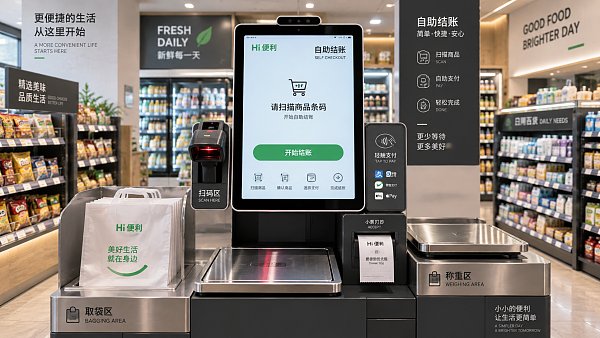
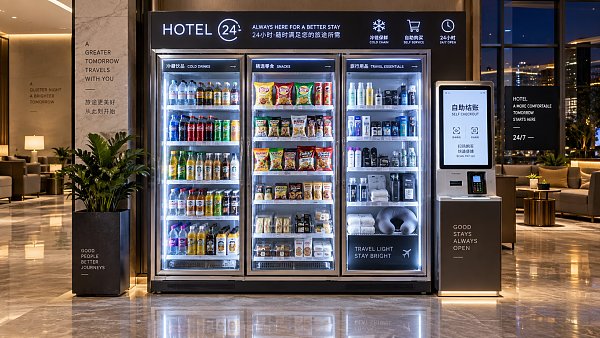
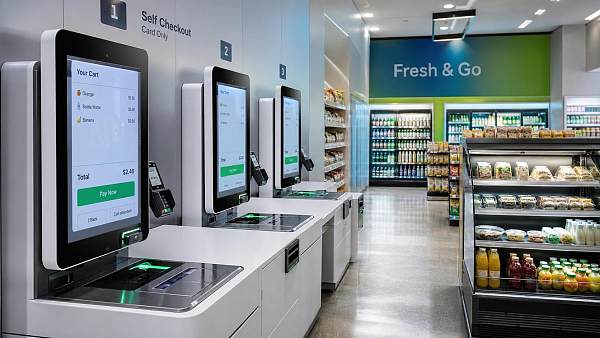
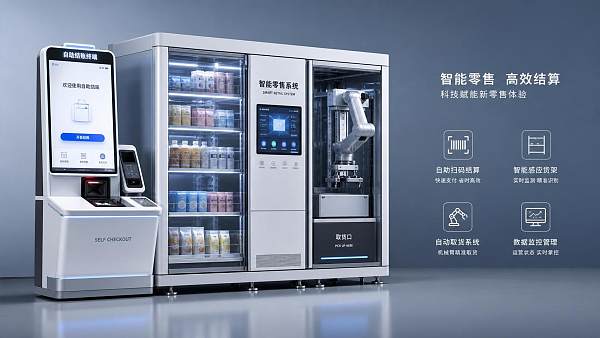
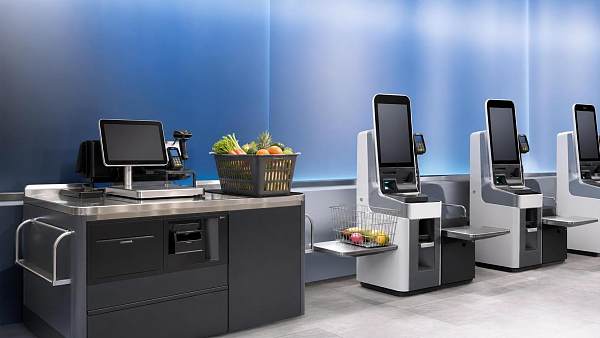
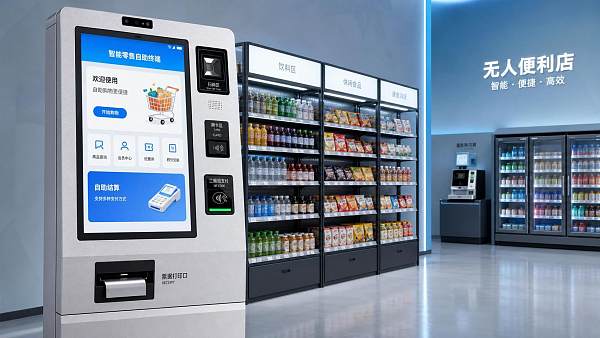
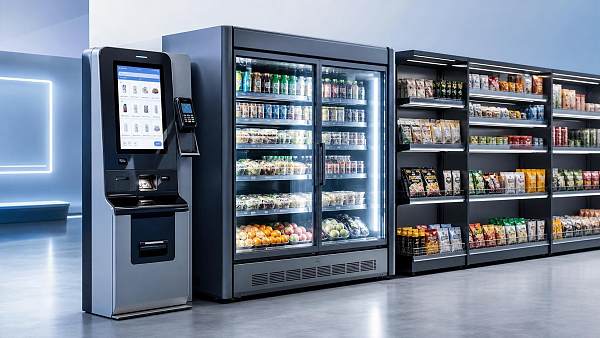
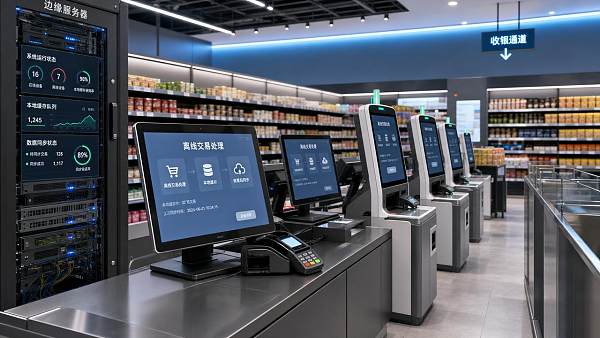
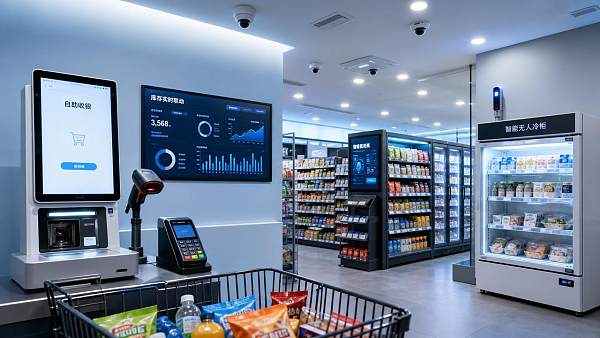
Klarna has partnered with EZContacts to introduce interest-free installment payments for sunglasses, contact lenses, and other high-frequency, low-average-order-value eyewear products. The rollout supports seamless point-of-sale experiences via self-checkout kiosks deployed in physical locations serving end consumers through professional or regulated channels.
Industries Affected
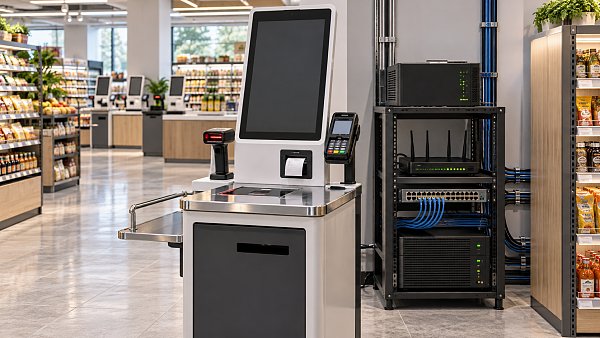
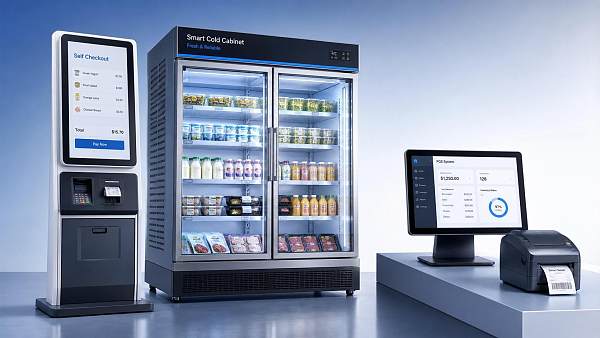
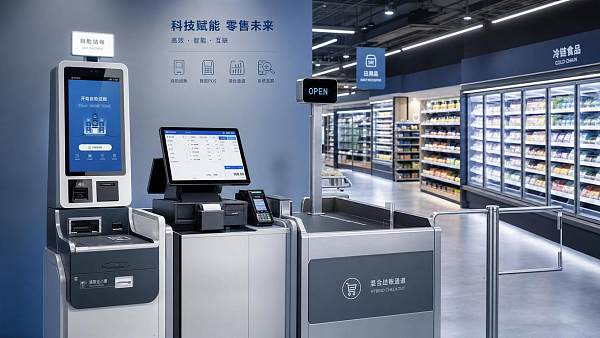
Direct Trade Enterprises: Export-oriented firms supplying self-checkout kiosks to U.S. and global retail, healthcare, and travel sectors face heightened tender activity. The shift toward integrated BNPL-ready hardware increases demand for certified, PCI-compliant terminals with embedded digital wallet and installment API support—raising technical qualification thresholds and shortening sales cycles for qualified vendors.
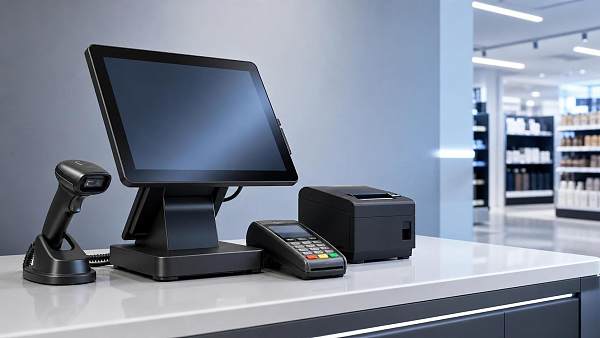
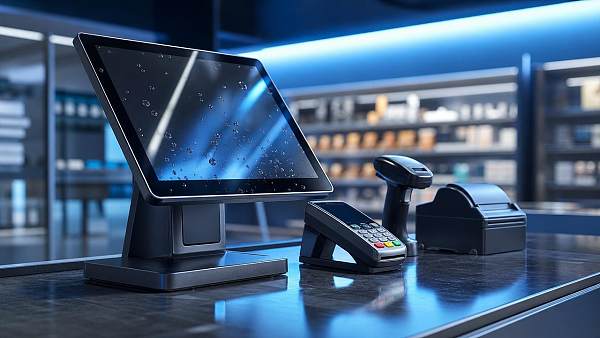
Raw Material Procurement Enterprises: Suppliers of core components—including industrial-grade touchscreens, thermal receipt printers, and secure payment modules—are observing revised forecast signals. Notably, demand for EMV-certified card readers with dual-interface (contact/contactless) capability has intensified, driven by regulatory expectations in pharmacy and clinic environments where transaction integrity and auditability are non-negotiable.
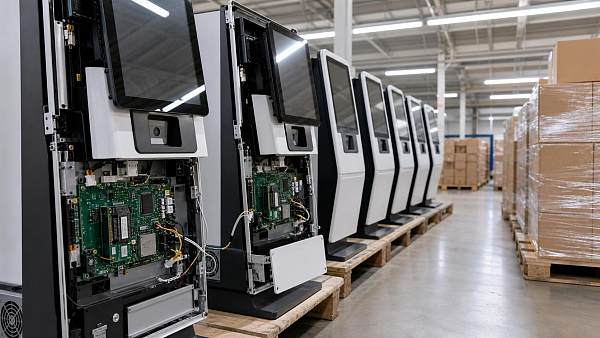
Manufacturing Enterprises: Contract manufacturers and OEMs producing self-checkout kiosks report Q2 2024 export order growth of 37% year-on-year—primarily from China-based producers. This surge reflects not just volume but specification shifts: increased requests for modular designs, medical-grade enclosures, and localized UI firmware supporting multilingual optical product catalogs and insurance co-pay workflows.
Supply Chain Service Providers: Third-party logistics and customs compliance specialists are adapting to tighter lead-time requirements and more frequent small-batch air freight consignments—especially for kiosk subassemblies destined for rapid deployment in U.S. retail rollouts. Concurrently, certification support services (e.g., UL, FCC, FDA-related labeling guidance for clinical settings) are seeing elevated inquiry volumes.
Key Considerations for Stakeholders
Evaluate BNPL-Ready Hardware Certification Requirements
Vendors must verify whether their kiosk platforms support Klarna’s public API integrations—and whether they meet regional financial data handling standards (e.g., GDPR for EU-bound units, HIPAA-aligned logging for U.S. clinic deployments). Non-certified devices risk exclusion from integrated payment workflows.
Monitor Shifts in Channel-Specific Deployment Criteria
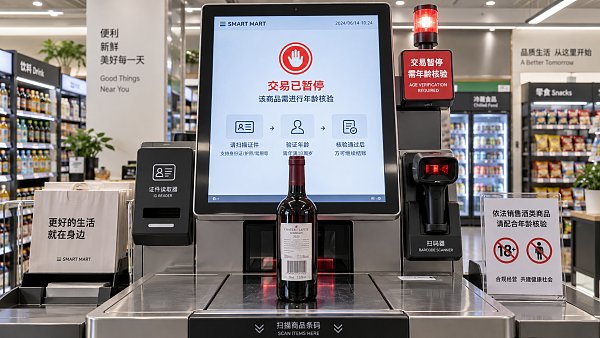
Pharmacies and optometry clinics impose stricter physical security, accessibility (ADA), and environmental durability standards than general retail. Kiosk suppliers should proactively align mechanical design (e.g., anti-tamper mounts, IP-rated enclosures) and software features (e.g., voice-assisted navigation, large-type mode) with these vertical-specific benchmarks.
Assess Localized Payment Ecosystem Readiness
Expansion beyond the U.S. requires evaluating local BNPL provider partnerships, regulatory acceptance of deferred payment in regulated health-adjacent categories, and consumer trust signals—particularly in markets where installment financing for medical-grade consumables (e.g., prescription contacts) remains nascent or legally ambiguous.
Editorial Insight / Industry Observation
Observably, this collaboration signals less a one-off fintech promotion and more a structural recalibration of how payment flexibility interfaces with professional retail infrastructure. Analysis shows that ‘BNPL + self-checkout’ is evolving from a convenience layer into an operational prerequisite—especially where inventory turnover is high, average transaction value is modest, and staff time is constrained (e.g., pharmacy counter staff managing both prescriptions and OTC eyewear sales). From an industry perspective, the move better reflects growing convergence between point-of-sale technology, embedded finance, and domain-specific workflow logic—not merely hardware sales, but system-level interoperability.
Conclusion
This development underscores a broader inflection: specialized retail segments are no longer waiting for generic commerce tools to adapt. Instead, they’re actively co-designing solutions at the intersection of regulation, usability, and financial inclusion. A rational interpretation is that success will favor vendors who treat kiosks not as standalone terminals—but as configurable nodes within vertically integrated service ecosystems.
Source Attribution
Information sourced from official announcements by Klarna and EZContacts (June 2024), supplemented by export shipment data from China Customs Statistics (Q2 2024 preliminary release). Note: Klarna’s full API documentation for eyewear vertical integration remains under private preview; public developer access and regional rollout timelines are pending further disclosure and warrant continued monitoring.