
TÜV Rheinland Launches AI Vision Smart Fridges Certification
by
Published
Views:
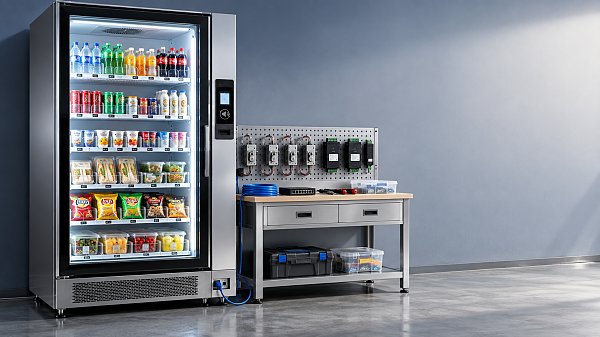
Effective 1 June 2026, Germany’s TÜV Rheinland has launched a dedicated certification module for AI Vision Smart Fridges — a development with direct implications for smart appliance manufacturers, European retail procurement teams, and supply chain stakeholders serving the cold-chain retail sector.
Event Overview
On 1 June 2026, TÜV Rheinland officially activated its AI Vision Smart Fridges certification path. The module evaluates 12 dynamic performance criteria, including image recognition accuracy (≥99.99% per frame), edge computing latency (≤300 ms), and door-opening/closing behavior modeling. This certification is now a mandatory requirement in tender documents issued by German retailers Lidl and Aldi; products without it are excluded from their second-half 2026 smart refrigerator centralized procurement list.
Industries Affected
Smart Appliance Manufacturers
Manufacturers supplying smart refrigerators to European retail chains are directly affected because the certification is now embedded in Lidl and Aldi’s procurement rules. Impact manifests in product validation timelines, hardware-software co-design requirements (e.g., on-device vision processing capability), and post-certification compliance monitoring.
Retail Procurement & Category Management Teams
For retailers operating in or sourcing for the German and broader EU markets, this certification has shifted from a voluntary quality benchmark to a binding technical gate. It affects vendor qualification workflows, RFP language, and inventory planning for 2026–2027 cold-chain digitalization rollouts.
Supply Chain & Logistics Service Providers
Third-party logistics providers and certification support agencies handling CE marking, conformity assessment, or technical documentation for smart fridges must now accommodate this new TÜV Rheinland module. Its inclusion adds a layer of AI-specific test protocol coordination, particularly around real-time inference validation and physical interaction logging.
What Stakeholders Should Monitor and Do Now
Track official updates to certification scope and test protocols
TÜV Rheinland has not published full technical specifications or version history for the module as of the launch date. Stakeholders should monitor its official certification portal for revisions — especially regarding interoperability claims, update mechanisms, and retesting frequency after firmware changes.
Verify applicability to current and pipeline product SKUs
Not all smart fridge models fall under the scope — only those deploying AI-powered vision systems for inventory, user behavior, or maintenance functions. Companies should cross-check their active and planned SKUs against the stated criteria (e.g., ≥99.99% single-frame accuracy) before initiating application.
Distinguish between policy adoption and operational rollout
The certification is mandatory for Lidl and Aldi’s 2026 H2 procurement, but no public information confirms whether other EU retailers (e.g., Edeka, Rewe) will adopt it similarly. Stakeholders should treat this as a retailer-specific requirement for now, not an industry-wide regulatory shift.
Prepare documentation and test infrastructure ahead of submission
Given the emphasis on dynamic metrics (e.g., edge latency, behavioral modeling), applicants must ensure lab-grade measurement setups — including synchronized time-stamping, controlled lighting environments, and standardized door-actuation cycles — are in place prior to formal audit scheduling.
Editorial Perspective / Industry Observation
This initiative is observably less a regulatory mandate and more a private standard emerging from retailer-driven quality assurance needs. Analysis shows it reflects growing retailer scrutiny over AI reliability in high-frequency, low-margin retail hardware — where false positives in inventory tracking or delayed anomaly detection carry tangible operational cost impacts. From an industry perspective, it signals a shift toward performance-based, use-case-specific certification — moving beyond generic safety or EMC testing into functional AI validation. Current observation suggests this is a procurement signal gaining traction, not yet a harmonized standard; sustained attention is warranted as other retailers assess adoption.
Conclusion: The launch of TÜV Rheinland’s AI Vision Smart Fridges certification marks a targeted tightening of technical entry requirements for a specific segment of the smart appliance market. It does not constitute broad regulatory change, nor does it replace existing safety or data privacy frameworks. Rather, it represents a commercially enforced performance threshold — one that suppliers must treat as a concrete, near-term compliance checkpoint for access to key German retail channels. It is best understood today as a retailer-aligned technical gate, not a foundational industry standard.
Source: Official announcement from TÜV Rheinland (effective 1 June 2026); publicly confirmed tender conditions from Lidl and Aldi procurement notices.
Note: Full test methodology, fee structure, and international recognition status remain unconfirmed and require ongoing monitoring.
Recommended News
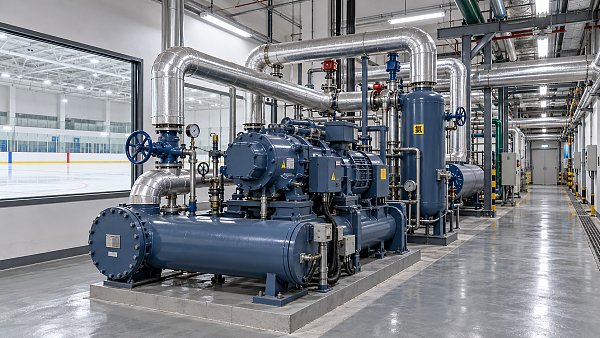
 Oct 26, 2026Missouri’s Kirkwood Ice Arena Replaces R-22 With Ammonia in $5.2 Million RenovationKirkwood Ice Arena replaces R-22 with ammonia in a $5.2 million renovation. Discover how the upgrade improves ice-making performance and energy efficiency.
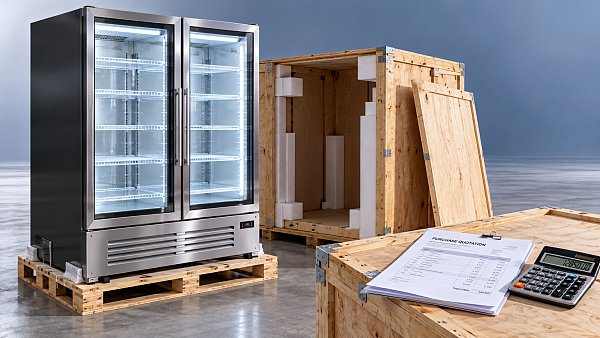
 Oct 26, 2026Private Label Sourcing Costs: Unit Prices, Agent Fees, and ShippingCompare private label sourcing price factors, from unit costs and agent fees to shipping and duties. Discover how to calculate landed costs and avoid hidden charges before you buy.
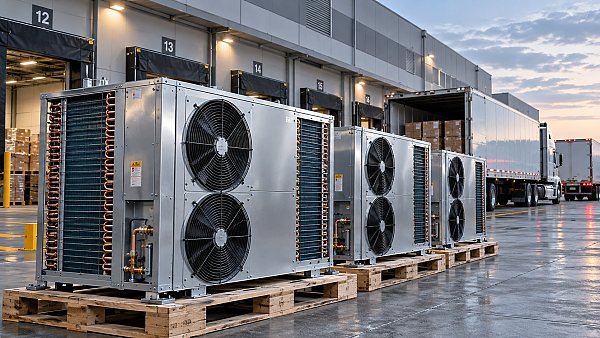
 Oct 25, 2026U.S. Removes 50% Tariff on Selected Canadian Refrigeration Equipment and MachineryU.S. tariff relief removes a 50% duty on selected Canadian refrigeration equipment and machinery. Explore product coverage and potential savings for your next equipment purchase.
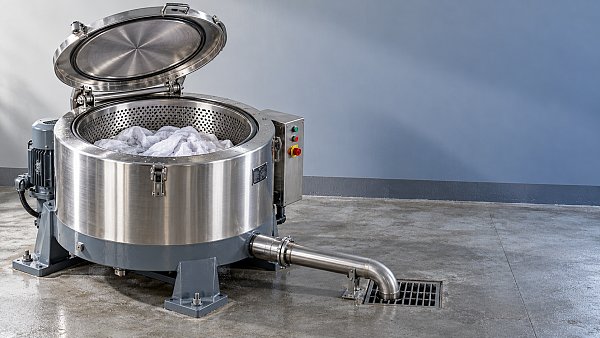
 Oct 25, 2026Commercial Centrifugal Dryer Prices: Capacity, Materials, and Setup CostsCompare commercial centrifugal drying price factors, from capacity and stainless steel to installation costs. Discover how to assess quotes, avoid hidden expenses, and choose the right laundry extractor.
 Oct 24, 2026Shanghai Aorun’s Inorganic Radiative Cooling Coating Earns “World First” CertificationShanghai Aorun’s inorganic radiative cooling coating earns “world first” certification. Explore its potential to reduce cooling loads in refrigeration and cold-chain facilities.
 Oct 24, 2026Choosing an Unmanned Retail Systems Supplier: Integration and Support ChecksChoosing an unmanned retail systems supplier? Discover integration tests, offline checks, and support requirements to reduce downtime and select a reliable partner before you scale.
 Oct 23, 2026TOMRA Signs to Become Preferred Reverse Vending Supplier for Major UK Retail ChainTOMRA signs a letter of intent for around 2,000 reverse vending machines for a major UK retailer. Explore what it could mean for procurement ahead of the expected 2027 deposit return scheme.
 Oct 23, 2026Industrial Tumble Dryers: Is a Stainless Steel Drum Enough for Your Laundry?Industrial tumble dryers with stainless steel drums need more than durable surfaces. Discover how airflow, moisture control, and lifecycle costs help you choose the right laundry solution.
 Oct 22, 2026Chemours Faces Investor Lawsuit Over US Sales of Opteon RefrigerantsChemours faces an investor lawsuit over US Opteon refrigerant sales. Explore alleged inventory risks tied to 2025 stockbuilding and questions over its 2026 earnings guidance.
 Oct 22, 2026Commercial Dry Cleaning Equipment in the Middle East: Utility and Service ChecksCompare commercial dry cleaning equipment Middle East suppliers offer. Check utilities, summer cooling, solvent compatibility and local service to avoid costly downtime. Buy with confidence.
 Oct 21, 2026Rivacold Introduces Patented ADAPTIX Technology for CO2 Refrigeration EfficiencyDiscover how Rivacold’s patented ADAPTIX technology enhances transcritical CO2 refrigeration efficiency, with claimed energy savings of up to 30% alone and 40% when combined with other solutions.
 Oct 21, 2026Choosing Department Store Checkout Systems: Inventory Sync and Returns ManagementCompare retail checkout systems for department stores to improve inventory sync, control returns, and reduce refund errors. Discover practical tests to choose the right solution.
 Oct 20, 2026Wiesbaden Supermarket Claims First All-CO2 Refrigeration, Heating and Cooling OperationWiesbaden supermarket claims all-CO2 refrigeration, heating and cooling. Explore what this approach could mean for retail procurement and the EU F-Gas transition.
 Oct 20, 2026Commercial Laundry Equipment in Europe: Comparing Total Cost of OwnershipCompare commercial laundry equipment Europe buyers can trust. Uncover installation, energy and service costs to find the lowest lifetime cost per kilogram and invest with confidence.
 Oct 19, 2026CO2, Ammonia, or HFO Blends: Choosing Refrigeration Systems for Cold RoomsExplore refrigeration system selection by refrigerant type: compare CO2, ammonia, and HFO blends for cold rooms to balance efficiency, safety, and lifecycle costs. Make a confident choice.
 Oct 18, 2026Retail IoT Interconnection Architecture: How POS and Sensors Exchange DataExplore retail IoT interconnection architecture to connect POS and sensors securely, prevent duplicate updates, and keep stores resilient during outages. Discover practical design strategies.
 Oct 17, 2026Cloud-Based Smart Retail Systems: Evaluating POS Integration and Offline ReliabilityCloud-based smart retail systems: compare POS integration, offline payments, and data recovery. Discover what to test before choosing a platform that keeps your stores selling.
 Oct 16, 2026Choosing Barcode Printers for Dispatch Hubs: Speed, Labels, and IntegrationExplore physical dispatch hubs equipment with our barcode printer guide. Compare speed, label durability, and integration to reduce downtime and keep shipments moving.
 Oct 15, 2026Edge AI Retail Systems: Choosing Hardware for In-Store Video AnalyticsChoose hardware for edge AI retail systems with confidence. Discover how to validate video decoding, model performance, latency, and cooling for reliable in-store analytics.
 Oct 14, 2026Retail Equipment for Store Fit-Outs: How to Budget Beyond the Purchase PriceCompare retail equipment solutions for store fit out beyond purchase price. Uncover installation, running and maintenance costs to budget smarter and avoid costly surprises.
 Oct 13, 2026Choosing Combi Ovens for Commercial Kitchens: Capacity and Utility RequirementsChoose combi ovens that match peak kitchen demand. Discover how to assess usable capacity, power, water, drainage, and ventilation to avoid costly upgrades and buy with confidence.
 Oct 12, 2026How to Size Gas-Heated Industrial Drying Machines for Laundry ThroughputIndustrial drying machines gas heated: learn how to size capacity for peak laundry throughput, moisture removal, airflow, and reliable operations.
 Oct 11, 2026Linen Processing Equipment Prices: Cost Drivers and Budget Benchmarks for BuyersLinen processing equipment price guide: explore cost drivers, budget benchmarks, throughput planning, utility needs, and smart buying tips for efficient laundry operations.
 Oct 10, 2026What to Evaluate in a Global Solution Comparison Platform Before Shortlisting VendorsSolution comparison platform global guide: evaluate TCO, compliance, integrations, reliability, and local service to shortlist vendors with confidence.



Editor's Selection
The Archive Newsletter
Critical industrial intelligence delivered every Tuesday. Peer-reviewed summaries of the week's most impactful logistics and market shifts.