How to compare commercial cooling systems by risk
by
Published
Views:
For project teams, comparing commercial cooling systems by risk creates better outcomes than comparing only price, tonnage, or brand familiarity.
A risk-first view exposes weak points in uptime, food safety, energy use, refrigerant compliance, maintenance access, and climate fit before installation begins.
This matters across retail, foodservice, storage, and mixed-use sites where failure costs extend beyond repairs into spoilage, lost sales, customer trust, and regulatory exposure.
The best commercial cooling systems are not universally the most powerful. They are the ones with the lowest total operational risk in their real deployment scenario.
Why scenario context changes how commercial cooling systems should be compared
Commercial cooling systems operate under very different stress patterns. A supermarket display line faces frequent door openings, customer interaction, and tight temperature recovery expectations.
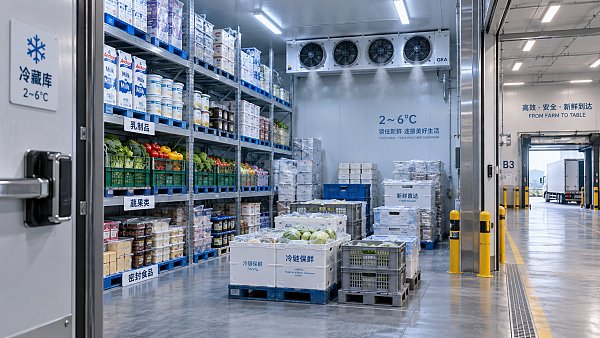
A cold room in a back-of-house environment faces loading cycles, ambient heat spikes, defrost burden, and sanitation requirements.
A convenience site with unmanned operation faces another risk layer: remote alarms, night stability, low-touch serviceability, and limited on-site intervention.
Because of this, a useful comparison should score each option across five lenses: operational continuity, thermal performance, compliance exposure, energy volatility, and service complexity.
Scenario 1: High-traffic retail floors need commercial cooling systems with recovery resilience
In supermarkets and open retail zones, thermal disturbance is constant. Doors open, aisles heat up, and merchandising changes airflow patterns every day.
Here, comparing commercial cooling systems by nominal capacity alone is risky. The key judgment point is recovery speed after repeated temperature disruption.
Core checks for this scenario
- Air curtain stability in open display cases
- Shelf temperature uniformity during peak foot traffic
- Defrost strategy without product temperature drift
- Compressor cycling under frequent load swings
- Remote monitoring for early failure warnings
For this setting, the strongest commercial cooling systems usually combine stable airflow design, responsive controls, and dependable telemetry rather than oversized hardware.
Scenario 2: Backroom cold storage demands commercial cooling systems with food safety margin
Cold rooms and walk-ins support inventory, not presentation. Their main risk is silent drift that remains unnoticed until stock quality declines.
In this case, commercial cooling systems should be compared by temperature hold time, alarm logic, redundancy options, and sanitation-friendly interior conditions.
Core checks for this scenario
- Temperature pull-down after large deliveries
- Humidity control for produce, dairy, or prepared foods
- Drainage and cleaning access
- Backup response during power interruptions
- Sensor accuracy and calibration routines
A low purchase price can become a high-risk choice if the system lacks dependable alarms or has poor recovery after loading events.
Scenario 3: Unmanned and extended-hour sites need commercial cooling systems with remote certainty
Smart vending, micro-retail, and unattended convenience formats run with limited human oversight. Their biggest threat is unnoticed degradation.
When comparing commercial cooling systems here, local performance matters less than failure visibility, alert speed, and reset simplicity.
Core checks for this scenario
- Cloud-connected alarms with escalation logic
- Edge controls that keep cooling stable during network loss
- Low-maintenance condenser design
- Fast service diagnostics for dispersed locations
- Door seal integrity and usage analytics
In distributed networks, the best commercial cooling systems reduce truck rolls and shorten mean time to detect issues, not just mean time to repair.
Scenario 4: Hot kitchens and mixed-service sites create compounded stress on commercial cooling systems
Restaurants, prepared-food zones, and service counters expose refrigeration to steam, grease, frequent access, and high ambient heat.
This changes the risk profile. Commercial cooling systems in these sites need stronger contamination tolerance and more realistic maintenance intervals.
Core judgment points include condenser fouling risk, ventilation path quality, cabinet recovery after repeated openings, and component accessibility.
How risk priorities differ across commercial cooling systems
A practical framework to compare commercial cooling systems by risk
A strong review process assigns weighted scores instead of relying on general impressions. Not every site should score the same criteria equally.
Recommended risk categories
- Operational risk: downtime frequency, restart behavior, parts availability
- Food safety risk: hold temperature, recovery profile, alarm reliability
- Compliance risk: refrigerant regulations, leak exposure, documentation needs
- Energy risk: peak consumption, seasonal variation, control efficiency
- Service risk: cleaning burden, technician access, diagnostic clarity
This method makes commercial cooling systems easier to compare across brands and architectures, especially when technical specifications look similar on paper.
What to check before selecting commercial cooling systems for a site
- Daily ambient temperature range and ventilation reality
- Door opening frequency and product loading pattern
- Local refrigerant rules and future compliance pressure
- Required remote monitoring depth
- Service network quality and spare parts lead time
- Expected lifecycle cost, not just installed cost
For many projects, these checks reveal that the lowest-risk commercial cooling systems are the ones with better controls, easier cleaning, and stronger compliance positioning.
Common comparison mistakes that distort commercial cooling systems decisions
One frequent mistake is comparing commercial cooling systems by compressor size without validating actual field heat load and disturbance patterns.
Another is ignoring refrigerant transition risk. A technically acceptable choice today may carry higher service cost or compliance uncertainty later.
Teams also overlook maintenance geometry. If coils, drains, or filters are hard to access, reliability often drops long before end of life.
The last major mistake is treating all alarms equally. Commercial cooling systems need actionable alerts, not just noisy notifications without escalation logic.
Next-step actions for a better commercial cooling systems evaluation
Start with a scenario map of each cooling point, including heat exposure, access frequency, staffing model, and product sensitivity.
Then build a weighted comparison sheet using operational, food safety, compliance, energy, and service risks.
Request real performance evidence, including recovery curves, alarm workflows, refrigerant data, and maintenance procedures under realistic site conditions.
When commercial cooling systems are compared through risk, the decision becomes clearer, more defensible, and better aligned with long-term reliability.
That approach supports lower total cost of ownership, stronger food protection, and more stable commercial operations across modern retail and service environments.
Recommended News
 Oct 06, 2026How to Size a Commercial Cold Room System for Food Storage Capacity and Peak LoadsCommercial cold room systems: learn to size storage capacity, account for peak heat loads, manage door traffic, and protect food quality with efficient, reliable design.
 Sep 22, 2026How to Select Cold Room Refrigeration Equipment for Load, Temperature, and Energy UseCommercial refrigeration equipment for cold rooms: learn how to match load, temperature, airflow, defrost, and energy controls for reliable, cost-effective performance.
 Sep 16, 2026How Restaurants Can Size Refrigeration Systems for Peak Service and Food SafetyCommercial refrigeration systems for restaurants: size for peak service, rapid recovery, food safety, efficient workflow, and lower operating risk.
 Aug 16, 2026EU F-Gas Rules Take Effect Aug. 18: CO2 Cascade Cold Rooms Face Carbon Footprint LabelingEU F-Gas rules now impact CO2 Cascade Cold Rooms with batteries above 2kWh—see how carbon footprint labeling and import declarations may affect EU market access.
 Aug 15, 2026EU F-Gas Rule to Require Type Certification for CO2 Cascade Cold RoomsEU F-Gas Rule now requires type certification for CO2 Cascade Cold Rooms exported to the EU from 2026. Learn customs risks, testing scope, and compliance steps before shipping.
 Aug 14, 2026China Tightens F-Gas Checks on Commercial Refrigeration ExportsChina tightens F-Gas checks on EU-bound commercial refrigeration exports, putting certificates, GWP files, and customs clearance under sharper scrutiny. Stay ahead of delays and compliance risk.
 Aug 13, 2026EU F-Gas Rule Adds New Certification for CO2 Cold Room ExportsEU F-Gas Rule reshapes CO2 cold room exports from August 15, 2026. Learn how new certification, leak-rate reports, and customs risks could affect delivery, compliance, and EU market access.
![]() Aug 12, 2026Vietnam launches anti-dumping investigation into China’s prestressed steel productsVietnam launches an anti-dumping probe into Chinese prestressed steel, potentially impacting cold room structures, CO2 Cascade systems, costs, compliance, and delivery schedules.
Aug 12, 2026Vietnam launches anti-dumping investigation into China’s prestressed steel productsVietnam launches an anti-dumping probe into Chinese prestressed steel, potentially impacting cold room structures, CO2 Cascade systems, costs, compliance, and delivery schedules. Aug 11, 2026EU F-Gas Rule Now Enforced for CO2 Cascade Cold RoomsEU F-Gas Rule now enforced for CO2 Cascade Cold Rooms: learn how EN 378-1:2026 certification impacts EU exports, customs clearance, supplier approval, and delivery timelines.
 Aug 10, 2026EU Requires EN 378-1:2026 for CO2 Cold Room ExportsEU Requires EN 378-1:2026 for CO2 Cold Room Exports: learn how the new EU compliance rule impacts certification, customs clearance, delivery timelines, and market access.
 Aug 10, 2026How Inverter Refrigeration Improves Energy Efficiency in Commercial Cold RoomsHigh-efficiency refrigeration with inverter technology helps commercial cold rooms cut energy use, improve temperature stability, and reduce cycling stress. Learn when the upgrade delivers real ROI.
 Aug 09, 2026EU Rule Takes Effect for CO2 Cascade Cold RoomsEU Rule Takes Effect for CO2 Cascade Cold Rooms: learn how EN 378-1:2026, CE+UKCA dual marking, and refrigerant limits reshape EU exports, compliance, and delivery.
 Aug 08, 2026EU Tightens F-Gas Transition for CO2 Cold RoomsEU Tightens F-Gas Transition for CO2 Cold Rooms: learn how the August 15, 2026 EU compliance shift impacts EN 378 certification, CE DoC, customs clearance, and on-time delivery.
 Aug 07, 2026EU Tightens EN 378-1:2024 Deadline for CO2 Cold RoomsEU Tightens EN 378-1:2024 Deadline for CO2 Cold Rooms: learn the August 15 certification cut-off, September 1 enforcement, customs risks, and how exporters can protect EU market access.
 Aug 06, 2026EU Tightens F-Gas Transition for CO2 Cold RoomsEU Tightens F-Gas Transition for CO2 Cold Rooms: learn how the new F-Gas notice impacts EU market access, Annex IV lab certification, and shipment timing before September 1, 2026.
 Aug 05, 2026EU F-Gas Rule Tightens CO2 Cold Room Export TimelineEU F-Gas Rule update: CO2 cold room exporters face an October 1, 2026 compliance deadline. Learn how certification, CE filing, and border-entry risks could impact shipments.
 Aug 04, 2026EU Tightens F-Gas Transition for CO2 Cascade Cold RoomsEU Tightens F-Gas Transition for CO2 Cascade Cold Rooms: learn how the October 1, 2026 R290 certification and CE Annex IV rules could impact EU market access, delivery timelines, and export compliance.
 Aug 03, 2026EU F-Gas Rule Takes Effect: R290 Certification Becomes a Prerequisite for CO2 Cascade Cold Room ExportsEU F-Gas Rule takes effect: R290 certification is now essential for CO2 Cascade Cold Room exports. Learn the new EU compliance impact on access, lead times, and delivery planning.
 Aug 01, 2026EU F-Gas Rule Takes Effect for CO2 Cascade Cold RoomsEU F-Gas Rule now impacts CO2 Cascade Cold Rooms exported to the EU. Learn the 2026 leak monitoring, EN 14800:2025, and customs clearance requirements before shipment.
 Jul 31, 2026EU F-Gas Revision Takes Effect for CO2 Cold RoomsEU F-Gas revision takes effect for CO2 cold rooms from August 1, 2026. Learn the new leak monitoring, CE compliance, certificate, and customs risks affecting EU shipments.
 Jul 30, 2026EU F-Gas Rule Takes Effect for CO2 Cascade Cold RoomsEU F-Gas Rule now impacts CO2 Cascade Cold Rooms entering Europe. Learn how AI leak monitoring, CE marking, and customs compliance could affect exporters, buyers, and delivery plans.
 Jul 30, 2026How to Evaluate a CO2 Display Refrigeration Manufacturer for Retail Projects?CO2 display refrigeration manufacturer evaluation starts with project fit, compliance, true CO2 expertise, and total cost. Learn how retail buyers choose reliable partners.
 Jul 29, 2026EU F-Gas Grace Period Ends for CO2 Cold Room ExportsEU F-Gas Grace Period Ends for CO2 Cold Room Exports on July 28, 2026. Learn the new EN 16798-2, CE, UKCA, and type-test compliance rules to avoid border delays.
 Jul 28, 2026EU F-Gas Rule Triggers AI Leak Certification for CO2 Cold RoomsEU F-Gas Rule reshapes CO2 cold room exports: learn how AI leak certification, EN 16798-2:2026 compliance, and inspection proof now decide EU market access.

Editor's Selection
The Archive Newsletter
Critical industrial intelligence delivered every Tuesday. Peer-reviewed summaries of the week's most impactful logistics and market shifts.