
What raises costs in commercial refrigeration systems?
by
Published
Views:
What Raises Costs in Commercial Refrigeration Systems?
The true cost of commercial refrigeration systems extends far beyond the purchase price.
Energy intensity, refrigerant compliance, maintenance frequency, downtime risk, store layout, and temperature recovery performance can quietly inflate total cost of ownership.
In supermarkets, cold rooms, and display freezers running 24/7, even small inefficiencies become major operating expenses.
Understanding what raises these costs supports clearer ROI, stronger compliance confidence, and fewer long-term financial surprises.
Why a Checklist Matters for Commercial Refrigeration Systems
Commercial refrigeration systems operate inside dynamic retail environments, not controlled laboratory rooms.
Doors open, shoppers interrupt air curtains, lighting adds heat, and loading habits change every hour.
A low purchase price can hide high electricity demand, weak insulation, poor controls, or refrigerant risks.
A checklist prevents decisions based only on compressor size, cabinet appearance, or quoted equipment cost.
It also connects engineering factors with commercial outcomes, including food safety, uptime, carbon reporting, and lifecycle return.
Core Cost Checklist for Commercial Refrigeration Systems
- Measure annual energy consumption under real store conditions, not only rated laboratory data or ideal ambient temperature assumptions.
- Check compressor efficiency across part-load operation, because commercial refrigeration systems rarely run at one fixed cooling demand.
- Review condenser placement and airflow clearance to prevent heat recirculation, pressure rise, and unnecessary compressor workload.
- Compare refrigerant type, charge volume, leakage risk, and future compliance exposure before accepting a lower initial quotation.
- Verify insulation thickness, door sealing, glass performance, and thermal bridging points that increase continuous heat infiltration.
- Test temperature recovery after door openings, stocking events, defrost cycles, and customer interaction with open display cases.
- Assess control algorithms, sensor accuracy, alarm logic, and data logging functions for early fault detection and stable operation.
- Calculate preventive maintenance frequency, spare parts availability, technician access, and likely service response time.
- Estimate product loss risk from temperature excursions, power interruptions, blocked evaporators, or delayed maintenance alerts.
- Include installation costs, drainage, electrical upgrades, remote monitoring, commissioning time, and staff training in lifecycle evaluation.
Energy Demand: The Largest Hidden Cost Driver
Energy is usually the biggest operating cost in commercial refrigeration systems.
The cost rises when compressors short-cycle, condensers run hot, or evaporators are blocked by frost and debris.
Open display freezers add another challenge.
They must maintain a cold air curtain while standing inside a warmer sales floor.
When that air curtain is broken by traffic, poor stocking, or nearby HVAC airflow, cooling demand increases immediately.
Variable-speed compressors, efficient EC fans, night curtains, glass doors, and optimized defrost scheduling can reduce energy waste.
However, each feature should be evaluated against measured savings, not marketing claims alone.
Refrigerant Choice and Compliance Exposure
Refrigerant policy is reshaping the economics of commercial refrigeration systems worldwide.
High-GWP refrigerants can create future retrofit costs, supply constraints, higher servicing expenses, or compliance penalties.
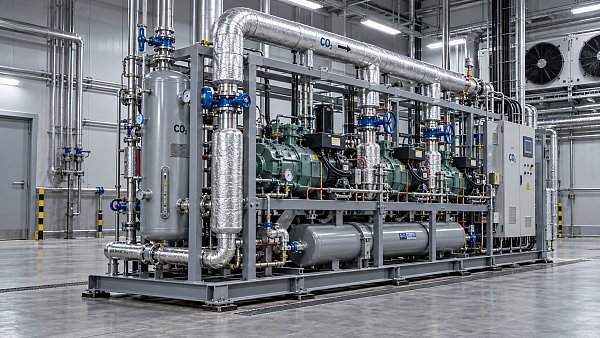
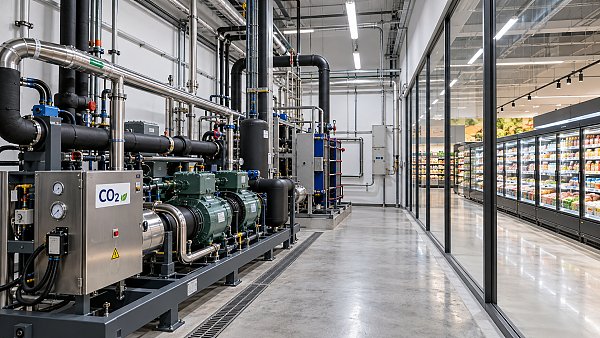
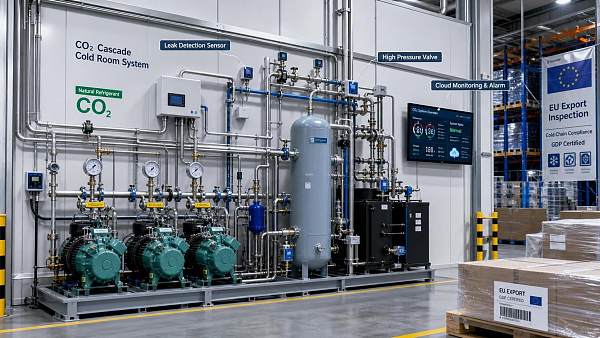
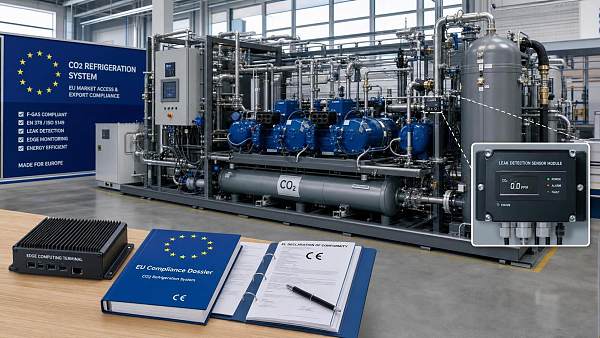
Lower-GWP options, including CO2 and R290, can improve long-term positioning but require careful engineering discipline.
CO2 systems often operate at high pressure, demanding robust components and qualified service knowledge.
R290 offers strong thermodynamic performance, but flammability rules make charge limits, ventilation, and certification essential.
A cheap system using a vulnerable refrigerant may become expensive when regulations, insurance, or corporate ESG standards change.
Maintenance Frequency and Service Complexity
Commercial refrigeration systems become costly when maintenance is reactive rather than planned.
Dirty condensers raise discharge pressure and force compressors to work harder.
Worn door gaskets allow warm humid air to enter, increasing frost and defrost energy.
Poor drainage can cause ice buildup, water leaks, hygiene issues, and unexpected service calls.
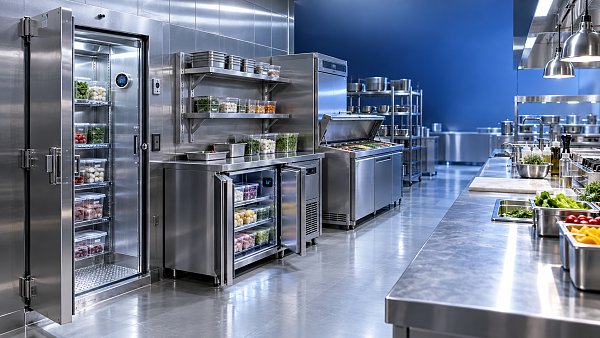
The design should allow fast access to filters, fans, coils, sensors, valves, and electrical panels.
If basic maintenance requires long downtime or specialist tools, service cost rises across the equipment life.
Downtime, Food Loss, and Temperature Recovery
Downtime is one of the most damaging cost factors in commercial refrigeration systems.
The visible cost is repair labor.
The larger cost may be lost stock, interrupted sales, emergency logistics, and brand damage.
Temperature recovery performance is critical after restocking, peak shopping periods, or frequent door openings.
Systems with weak recovery may still show acceptable average temperatures while products experience unsafe thermal exposure.
Data logging, remote alarms, and predictive analytics reduce this risk by identifying abnormal patterns before failure occurs.
Application Notes for Different Commercial Settings
Supermarket Display Freezers
Supermarket display cases are exposed to lighting, shoppers, HVAC drafts, and frequent stocking.
For these commercial refrigeration systems, air-curtain stability and merchandising layout strongly affect energy use.
Nearby entrance doors, warm bakery zones, or high-traffic aisles can increase heat load and compressor runtime.
Cold Rooms and Walk-In Storage
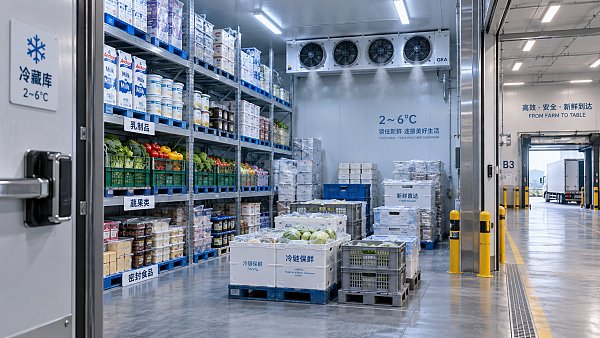
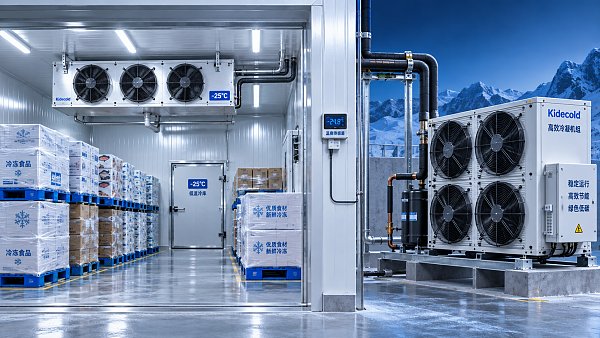
Cold rooms depend on envelope integrity, door discipline, evaporator sizing, and humidity control.
Costs rise when doors stay open, strip curtains fail, or loading docks create repeated warm-air intrusion.
Floor insulation, drainage, shelving clearance, and defrost settings should be reviewed before installation approval.
Unmanned Retail and Smart Vending
Smart vending machines combine refrigeration, sensors, cameras, payment terminals, and edge computing.
For compact commercial refrigeration systems, heat rejection and electronics protection matter as much as cooling capacity.
Remote monitoring is especially valuable where overnight labor is limited and stock safety must remain traceable.
Commonly Ignored Cost Risks
Ignoring ambient assumptions. Rated performance may not match tropical climates, poor ventilation, or dense urban stores with heavy internal heat loads.
Underestimating installation quality. Incorrect pipe sizing, poor evacuation, weak insulation, and bad commissioning can damage even well-designed commercial refrigeration systems.
Accepting weak monitoring. Without alarms and trend data, small faults become compressor failures, stock losses, and emergency service expenses.
Overlooking cleaning access. Equipment that is hard to clean often receives poor maintenance, raising energy demand and hygiene risk.
Separating refrigeration from store design. Aisle layout, HVAC airflow, lighting, and customer movement directly influence refrigeration efficiency.
Practical Execution Recommendations
- Build a lifecycle cost model covering energy, refrigerant, maintenance, downtime, compliance, installation, and expected replacement timing.
- Request performance data at realistic ambient temperatures, door-opening cycles, loading patterns, and part-load operating conditions.
- Specify remote monitoring, alarm escalation, and temperature history exports for every critical cabinet, cold room, or freezer.
- Audit store layout before final equipment selection, especially airflow conflicts around open cases and walk-in doors.
- Plan preventive maintenance intervals with clear cleaning tasks, gasket checks, leak inspections, and sensor calibration routines.
- Compare refrigerant strategies against regional regulations, service capability, safety standards, and long-term corporate carbon targets.
Commercial refrigeration systems should also be tested after commissioning, not only accepted after installation.
Temperature pull-down time, recovery speed, energy draw, alarm accuracy, and defrost behavior should be verified.
The commissioning record becomes a baseline for future maintenance and warranty discussions.
Conclusion and Next Action
The costs of commercial refrigeration systems rise when decisions focus only on initial equipment price.
Energy efficiency, refrigerant compliance, service access, monitoring, installation quality, and temperature recovery all shape total cost.
A disciplined checklist turns hidden technical variables into measurable financial factors.
Start by mapping each refrigeration asset, recording operating conditions, and calculating annual energy and service exposure.
Then compare future commercial refrigeration systems through lifecycle cost, not headline price.
That approach delivers stronger uptime, safer food storage, lower carbon impact, and more predictable commercial performance.
Recommended News
 Oct 21, 2026Rivacold Introduces Patented ADAPTIX Technology for CO2 Refrigeration EfficiencyDiscover how Rivacold’s patented ADAPTIX technology enhances transcritical CO2 refrigeration efficiency, with claimed energy savings of up to 30% alone and 40% when combined with other solutions.
 Oct 20, 2026Wiesbaden Supermarket Claims First All-CO2 Refrigeration, Heating and Cooling OperationWiesbaden supermarket claims all-CO2 refrigeration, heating and cooling. Explore what this approach could mean for retail procurement and the EU F-Gas transition.
 Oct 19, 2026CO2, Ammonia, or HFO Blends: Choosing Refrigeration Systems for Cold RoomsExplore refrigeration system selection by refrigerant type: compare CO2, ammonia, and HFO blends for cold rooms to balance efficiency, safety, and lifecycle costs. Make a confident choice.
 Oct 06, 2026How to Size a Commercial Cold Room System for Food Storage Capacity and Peak LoadsCommercial cold room systems: learn to size storage capacity, account for peak heat loads, manage door traffic, and protect food quality with efficient, reliable design.
 Sep 22, 2026How to Select Cold Room Refrigeration Equipment for Load, Temperature, and Energy UseCommercial refrigeration equipment for cold rooms: learn how to match load, temperature, airflow, defrost, and energy controls for reliable, cost-effective performance.
 Sep 16, 2026How Restaurants Can Size Refrigeration Systems for Peak Service and Food SafetyCommercial refrigeration systems for restaurants: size for peak service, rapid recovery, food safety, efficient workflow, and lower operating risk.
 Aug 16, 2026EU F-Gas Rules Take Effect Aug. 18: CO2 Cascade Cold Rooms Face Carbon Footprint LabelingEU F-Gas rules now impact CO2 Cascade Cold Rooms with batteries above 2kWh—see how carbon footprint labeling and import declarations may affect EU market access.
 Aug 15, 2026EU F-Gas Rule to Require Type Certification for CO2 Cascade Cold RoomsEU F-Gas Rule now requires type certification for CO2 Cascade Cold Rooms exported to the EU from 2026. Learn customs risks, testing scope, and compliance steps before shipping.
 Aug 14, 2026China Tightens F-Gas Checks on Commercial Refrigeration ExportsChina tightens F-Gas checks on EU-bound commercial refrigeration exports, putting certificates, GWP files, and customs clearance under sharper scrutiny. Stay ahead of delays and compliance risk.
 Aug 13, 2026EU F-Gas Rule Adds New Certification for CO2 Cold Room ExportsEU F-Gas Rule reshapes CO2 cold room exports from August 15, 2026. Learn how new certification, leak-rate reports, and customs risks could affect delivery, compliance, and EU market access.
![]() Aug 12, 2026Vietnam launches anti-dumping investigation into China’s prestressed steel productsVietnam launches an anti-dumping probe into Chinese prestressed steel, potentially impacting cold room structures, CO2 Cascade systems, costs, compliance, and delivery schedules.
Aug 12, 2026Vietnam launches anti-dumping investigation into China’s prestressed steel productsVietnam launches an anti-dumping probe into Chinese prestressed steel, potentially impacting cold room structures, CO2 Cascade systems, costs, compliance, and delivery schedules. Aug 11, 2026EU F-Gas Rule Now Enforced for CO2 Cascade Cold RoomsEU F-Gas Rule now enforced for CO2 Cascade Cold Rooms: learn how EN 378-1:2026 certification impacts EU exports, customs clearance, supplier approval, and delivery timelines.
 Aug 10, 2026EU Requires EN 378-1:2026 for CO2 Cold Room ExportsEU Requires EN 378-1:2026 for CO2 Cold Room Exports: learn how the new EU compliance rule impacts certification, customs clearance, delivery timelines, and market access.
 Aug 10, 2026How Inverter Refrigeration Improves Energy Efficiency in Commercial Cold RoomsHigh-efficiency refrigeration with inverter technology helps commercial cold rooms cut energy use, improve temperature stability, and reduce cycling stress. Learn when the upgrade delivers real ROI.
 Aug 09, 2026EU Rule Takes Effect for CO2 Cascade Cold RoomsEU Rule Takes Effect for CO2 Cascade Cold Rooms: learn how EN 378-1:2026, CE+UKCA dual marking, and refrigerant limits reshape EU exports, compliance, and delivery.
 Aug 08, 2026EU Tightens F-Gas Transition for CO2 Cold RoomsEU Tightens F-Gas Transition for CO2 Cold Rooms: learn how the August 15, 2026 EU compliance shift impacts EN 378 certification, CE DoC, customs clearance, and on-time delivery.
 Aug 07, 2026EU Tightens EN 378-1:2024 Deadline for CO2 Cold RoomsEU Tightens EN 378-1:2024 Deadline for CO2 Cold Rooms: learn the August 15 certification cut-off, September 1 enforcement, customs risks, and how exporters can protect EU market access.
 Aug 06, 2026EU Tightens F-Gas Transition for CO2 Cold RoomsEU Tightens F-Gas Transition for CO2 Cold Rooms: learn how the new F-Gas notice impacts EU market access, Annex IV lab certification, and shipment timing before September 1, 2026.
 Aug 05, 2026EU F-Gas Rule Tightens CO2 Cold Room Export TimelineEU F-Gas Rule update: CO2 cold room exporters face an October 1, 2026 compliance deadline. Learn how certification, CE filing, and border-entry risks could impact shipments.
 Aug 04, 2026EU Tightens F-Gas Transition for CO2 Cascade Cold RoomsEU Tightens F-Gas Transition for CO2 Cascade Cold Rooms: learn how the October 1, 2026 R290 certification and CE Annex IV rules could impact EU market access, delivery timelines, and export compliance.
 Aug 03, 2026EU F-Gas Rule Takes Effect: R290 Certification Becomes a Prerequisite for CO2 Cascade Cold Room ExportsEU F-Gas Rule takes effect: R290 certification is now essential for CO2 Cascade Cold Room exports. Learn the new EU compliance impact on access, lead times, and delivery planning.
 Aug 01, 2026EU F-Gas Rule Takes Effect for CO2 Cascade Cold RoomsEU F-Gas Rule now impacts CO2 Cascade Cold Rooms exported to the EU. Learn the 2026 leak monitoring, EN 14800:2025, and customs clearance requirements before shipment.
 Jul 31, 2026EU F-Gas Revision Takes Effect for CO2 Cold RoomsEU F-Gas revision takes effect for CO2 cold rooms from August 1, 2026. Learn the new leak monitoring, CE compliance, certificate, and customs risks affecting EU shipments.
 Jul 30, 2026EU F-Gas Rule Takes Effect for CO2 Cascade Cold RoomsEU F-Gas Rule now impacts CO2 Cascade Cold Rooms entering Europe. Learn how AI leak monitoring, CE marking, and customs compliance could affect exporters, buyers, and delivery plans.

Editor's Selection
The Archive Newsletter
Critical industrial intelligence delivered every Tuesday. Peer-reviewed summaries of the week's most impactful logistics and market shifts.