
How to choose commercial laundry equipment wisely
by
Published
Views:
How to choose commercial laundry equipment wisely
Choosing commercial laundry equipment is no longer just a capacity or price comparison—it is a long-term decision about uptime, energy consumption, hygiene compliance, and total cost of ownership.
For hotels, hospitals, laundromats, and service facilities, the right machines must withstand high-frequency operation while supporting efficient workflows and predictable maintenance.
This guide explains how to evaluate performance, durability, automation, water efficiency, energy efficiency, and supplier reliability before making a smarter investment.
What does commercial laundry equipment really include?
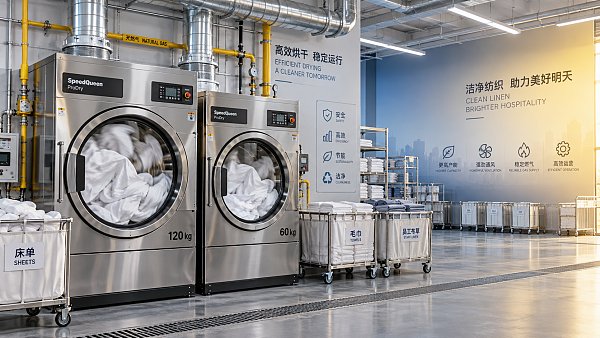
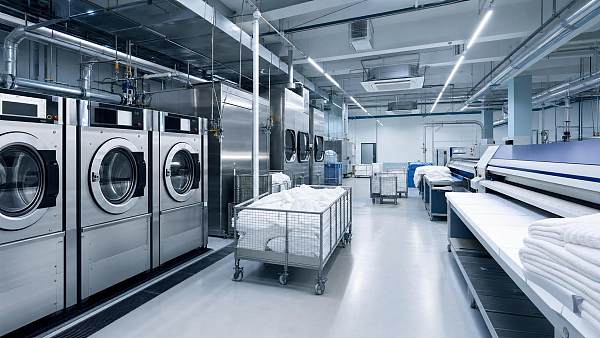
Commercial laundry equipment covers more than washers and dryers. It is a complete operating system for washing, extracting, drying, finishing, and handling textiles.
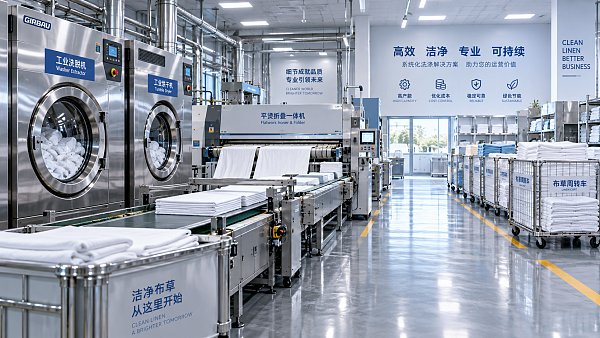
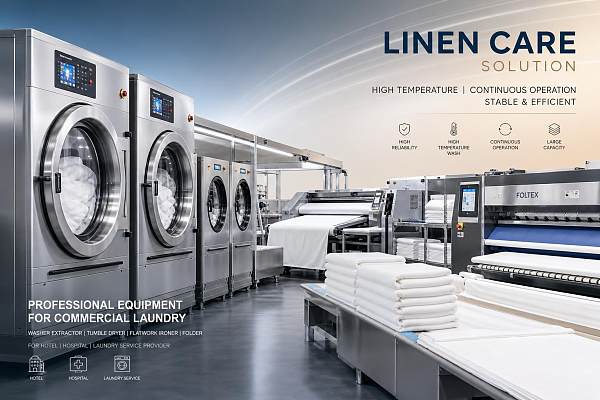
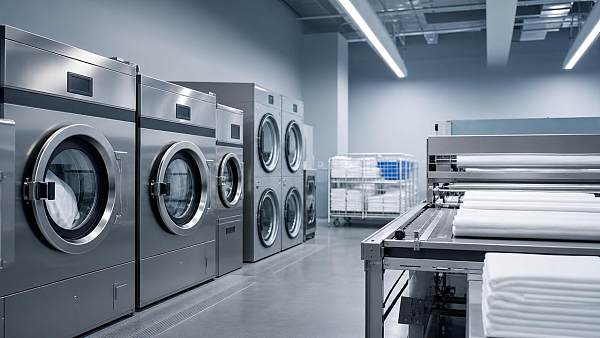
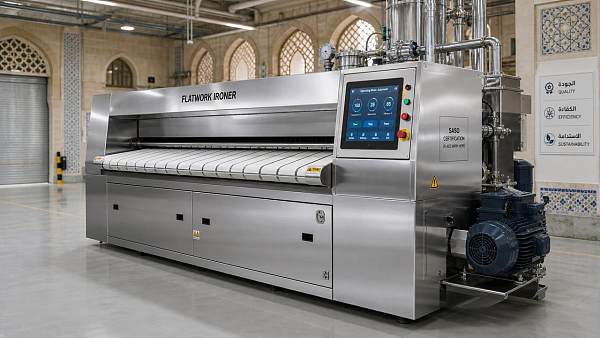
A typical system may include washer-extractors, tumble dryers, flatwork ironers, folding machines, ozone systems, water softeners, and chemical dosing units.
In high-volume environments, commercial laundry equipment must deliver stable throughput, hygienic results, and repeatable cycles under heavy daily loads.
Unlike household machines, industrial laundry machines are designed for frequent starts, larger loads, stronger bearings, reinforced drums, and smarter fault diagnostics.
The best commercial laundry equipment should match linen type, contamination level, available utilities, staffing model, and required turnaround time.
Why is system thinking important?
A washer that runs fast can still create bottlenecks if drying, sorting, or folding capacity is insufficient.
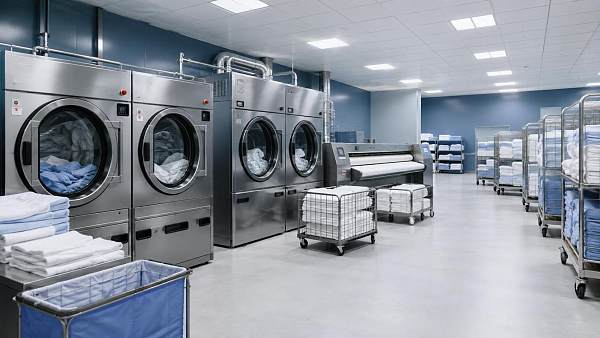
Commercial laundry equipment should be selected as an integrated flow, not as disconnected machines with separate specifications.
A balanced laundry room reduces rewash rates, overtime pressure, linen loss, and peak-hour delays.
How should capacity be calculated before buying commercial laundry equipment?
Capacity planning starts with real linen volume, not brochure ratings. Daily kilograms, peak-hour batches, and soil level must be reviewed together.
Hotel laundry may face morning checkout peaks. Healthcare laundry may require stricter segregation and disinfection cycles.
Laundromats often need flexible commercial laundry equipment that supports mixed users, different fabrics, and simple self-service controls.
A practical calculation should include average daily load, maximum daily load, cycle time, loading ratio, and available operating hours.
- Estimate total linen weight handled per day.
- Separate light, medium, and heavy soil categories.
- Check washer capacity against dryer capacity.
- Allow spare capacity for seasonal demand.
- Avoid constant full-load stress on every cycle.
Oversized commercial laundry equipment wastes utilities and floor space. Undersized equipment increases overtime, waiting time, breakdown risk, and linen shortages.
The safest approach is to size for peak demand while keeping machine utilization within a sustainable operating range.
Which performance features matter most in commercial laundry equipment?
Performance should be judged by cleaning quality, extraction efficiency, drying speed, cycle flexibility, and fabric protection.
High G-force extraction removes more water before drying. This reduces gas or electricity use during drying cycles.
Programmable controls help standardize wash formulas for towels, sheets, uniforms, mop heads, and delicate items.
Good commercial laundry equipment should support repeatable washing outcomes, even when soil levels and operators change.
What should be checked on washer-extractors?
Look at drum design, suspension system, bearing strength, water inlet speed, drain size, and extraction force.
Rigid-mount washers may need stronger foundations. Soft-mount machines reduce vibration and can be easier to install in existing buildings.
Commercial laundry equipment with automatic chemical dosing can improve consistency and reduce manual handling mistakes.
What should be checked on dryers?
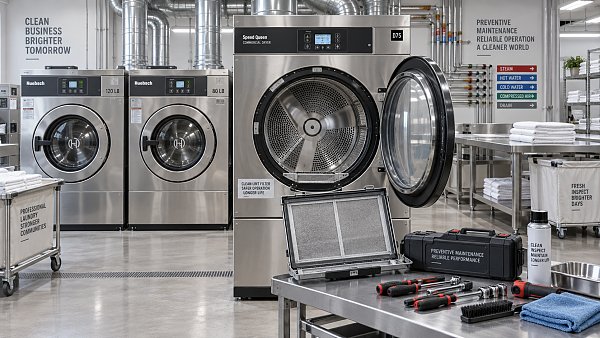
Dryer airflow, burner efficiency, moisture sensing, lint management, and reversing drum action affect drying quality and energy cost.
Overdrying damages linen and wastes energy. Moisture-sensing commercial laundry equipment can reduce fabric wear and improve consistency.
How do energy, water, and hygiene standards influence the choice?
Utility cost can exceed the initial purchase price over the equipment lifecycle. This makes efficiency central to total cost of ownership.
Efficient commercial laundry equipment uses less water per kilogram, extracts more moisture, and shortens drying time.
Heat recovery, variable frequency drives, optimized rinse cycles, and smart load sensing can reduce waste without weakening cleaning performance.
Hygiene is equally important. Healthcare, hospitality, food service, and wellness facilities may require validated thermal or chemical disinfection.
Commercial laundry equipment should support documented temperatures, cycle records, separation practices, and cleaning traceability where compliance matters.
Which efficiency indicators are useful?
- Water consumption per kilogram of laundry.
- Energy use per completed load.
- Residual moisture after extraction.
- Cycle duration under real conditions.
- Rewash percentage and linen rejection rate.
These indicators reveal whether commercial laundry equipment performs efficiently in daily operations, not only in controlled demonstrations.
What role do automation and smart controls play?
Automation reduces variation in loading, dosing, cycle selection, and maintenance alerts. It also improves visibility across multiple locations.
Modern commercial laundry equipment may include touchscreens, cloud dashboards, payment integration, remote diagnostics, and usage reporting.
For laundromats, smart payment and machine availability tracking can improve user experience and reduce idle time.
For hotels and service laundries, programmable formulas and monitoring systems help control quality across shifts.
However, automation should not make maintenance difficult. Interfaces must be clear, durable, and easy to troubleshoot.
When is smart commercial laundry equipment worth it?
Smart features are valuable when they solve measurable problems, such as downtime, utility waste, weak reporting, or inconsistent washing results.
They are less useful when connectivity is unreliable, local support is weak, or staff training is ignored.
The best choice balances automation with serviceability, because high-tech commercial laundry equipment still needs daily operational discipline.
How can total cost of ownership be compared fairly?
Purchase price is only one part of the decision. Total cost of ownership includes installation, utilities, chemicals, repairs, downtime, and labor.
Cheaper commercial laundry equipment may become expensive if parts availability is poor or energy consumption is high.
A strong evaluation compares lifecycle cost over five to ten years, not only the first invoice.
When comparing commercial laundry equipment, request estimated annual utility consumption under similar workload assumptions.
Also review maintenance intervals, common wear parts, training requirements, software fees, and installation modifications.
What common mistakes should be avoided?
One common mistake is buying based on drum size alone. Usable capacity depends on fabric type, soil level, and wash program.
Another mistake is ignoring site conditions. Ventilation, drainage, gas supply, electrical load, and floor strength can limit installation options.
Some facilities underinvest in finishing equipment. Clean linen still creates delays if folding, ironing, or storage is poorly designed.
Choosing commercial laundry equipment without checking local service coverage can create long downtime after minor faults.
It is also risky to rely only on optimistic payback claims. Real savings depend on workload, staff habits, utilities, and maintenance quality.
Which warning signs deserve attention?
- No clear parts availability timeline.
- Unclear warranty exclusions.
- No installation requirement checklist.
- Efficiency claims without test conditions.
- Controls that require complex daily intervention.
Reliable commercial laundry equipment should be supported by transparent data, practical training, and responsive after-sales service.
FAQ: practical questions before selecting commercial laundry equipment
How long should commercial laundry equipment last?
Service life depends on usage intensity, maintenance discipline, water quality, load control, and component quality.
Well-maintained commercial laundry equipment can often serve for many years in demanding environments.
Is gas or electric drying better?
The better option depends on local energy prices, ventilation design, installation rules, and expected drying volume.
Gas dryers often offer strong output, while electric models may suit locations with limited gas infrastructure.
Should used commercial laundry equipment be considered?
Used machines can reduce initial cost, but they require careful inspection of bearings, drums, controls, seals, and service history.
If downtime risk is unacceptable, new commercial laundry equipment with warranty support may be safer.
How important is supplier selection?
Supplier reliability is critical because installation, commissioning, training, and parts support directly affect operating continuity.
The strongest commercial laundry equipment suppliers provide clear documentation, realistic sizing advice, and fast technical response.
Conclusion: how to make a wiser final decision
Choosing commercial laundry equipment wisely means combining capacity planning, lifecycle cost analysis, hygiene needs, automation value, and service support.
The right system should reduce operational friction, protect linen quality, and keep high-frequency laundry workflows predictable.
Before committing, map daily linen flow, confirm utility limits, compare efficiency data, and request a maintenance plan.
A disciplined evaluation of commercial laundry equipment creates fewer surprises and stronger long-term returns.
Use the checklist above to shortlist models, challenge vague claims, and select equipment that fits real operating conditions.
Recommended News
 Oct 12, 2026How to Size Gas-Heated Industrial Drying Machines for Laundry ThroughputIndustrial drying machines gas heated: learn how to size capacity for peak laundry throughput, moisture removal, airflow, and reliable operations.
 Oct 11, 2026Linen Processing Equipment Prices: Cost Drivers and Budget Benchmarks for BuyersLinen processing equipment price guide: explore cost drivers, budget benchmarks, throughput planning, utility needs, and smart buying tips for efficient laundry operations.
 Oct 06, 2026How Often Should Commercial Laundry Equipment Be Serviced?How often should commercial laundry equipment be serviced? Discover practical daily, monthly, and professional maintenance schedules to reduce downtime, improve safety, and extend equipment life.
 Sep 05, 2026How to Choose a Hotel Laundry Equipment Set for Capacity, Space, and Cost ControlHotel laundry equipment set guide: balance peak linen capacity, workflow space, utilities, and lifecycle costs to improve efficiency and control operating expenses.
 Jul 14, 2026Linen Laundry Systems for Hotels: How to Size Capacity, Workflow, and Utility DemandLinen laundry systems for hotels: learn how to size capacity, streamline workflow, and estimate utility demand to cut costs, avoid bottlenecks, and improve linen quality.
 Jun 28, 2026Linen Processing Equipment Middle East: What Buyers Should Check Before OrderingLinen processing equipment Middle East buyers should verify throughput, utilities, fabric care, TCO, and local support before ordering to reduce downtime and protect ROI.
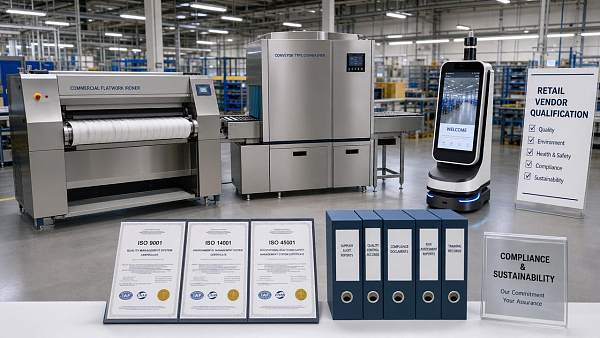
 Jun 05, 2026ISO Triple Certification Becomes Retail Bid GatekeeperISO Triple Certification is now a retail bid gatekeeper. Discover how ISO 9001, ISO 14001, and ISO 45001 are reshaping supplier access, compliance, and export opportunities.
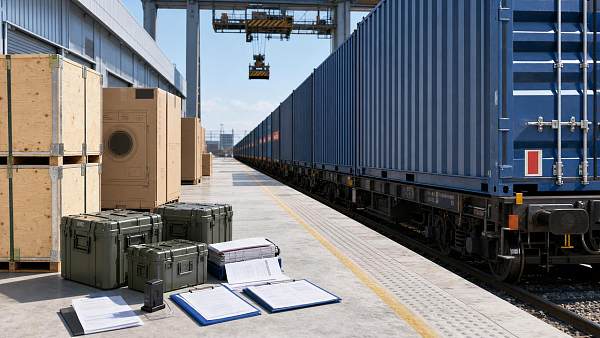
 Jun 03, 2026ICS2 ENS Rule Hits EU-Bound Rail FreightICS2 ENS rules for EU-bound rail freight start 2026-06-01. Learn how exporters can avoid border detention, penalties, and shipment delays.
 Jun 01, 2026How to choose commercial laundry equipment wiselyCommercial laundry equipment buying guide: compare capacity, efficiency, hygiene, automation, and service support to reduce costs and choose smarter long-term solutions.
 May 23, 2026Saudi Arabia Tightens Efficiency Standards for Commercial Flatwork IronersSaudi Arabia tightens efficiency standards for commercial flatwork ironers: IE5 motors & 100-hour steam stability testing required by 1 Sep 2026. Act now!
Editor's Selection
The Archive Newsletter
Critical industrial intelligence delivered every Tuesday. Peer-reviewed summaries of the week's most impactful logistics and market shifts.