
New Outbound Investment Rules Take Effect July 1
by
Published
Views:
China’s new outbound investment rules will take effect on July 1, 2026, introducing a clearer policy signal around coordinated support for overseas operations tied to high-value equipment exports. For manufacturers of commercial cold chain systems, smart retail terminals, industrial refrigeration equipment, and related service providers, the development deserves attention because it connects policy requirements with practical issues such as overseas setup, localization support, compliance certification, logistics coordination, and after-sales response.
What the new rules formally establish
The newly issued Outbound Investment Rules of the State Council are scheduled to come into force on 2026-07-01. According to the provided summary, the rules call for a more complete overseas integrated service system and require the coordination of service resources covering foreign affairs, legal matters, taxation and finance, financial services, economic and trade affairs, logistics, customs, and trade promotion.
The same summary states that this coordinated framework is intended to provide full-chain support for high value-added equipment going overseas, including commercial cold chain equipment, smart retail terminals, and industrial refrigeration equipment. It also indicates that the policy is expected to strengthen the systematic capabilities of Chinese manufacturers in overseas factory development, localized service, compliance certification, and after-sales response.
Where the practical effects may emerge first
Export equipment suppliers may face a more integrated compliance path
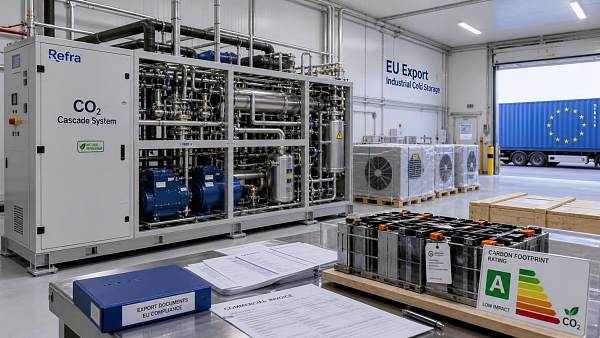
From an industry perspective, exporters of equipment are likely to feel the impact first because the policy focus is not limited to shipment itself. Analysis shows that the more relevant change is the emphasis on linking legal, tax, finance, customs, logistics, and trade promotion resources into one overseas support framework. For exporters, the business areas to watch more closely are likely to include export documentation readiness, certification planning, overseas delivery coordination, and the alignment between sales commitments and local service capability.
Manufacturers expanding overseas operations may need stronger documentation discipline
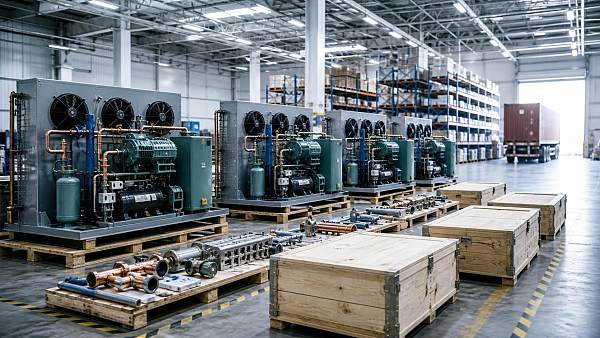
Observably, manufacturers planning overseas plants or localized service networks may need to treat compliance materials, technical files, and service arrangements as part of a connected process rather than separate tasks. The provided information does not set out detailed execution rules, but it does make clear that overseas factory development and localized support are within the policy’s practical scope. That means businesses involved in equipment manufacturing should pay closer attention to how legal, financial, trade, and logistics requirements interact during project execution.
Supply chain and delivery service providers may see higher coordination demands
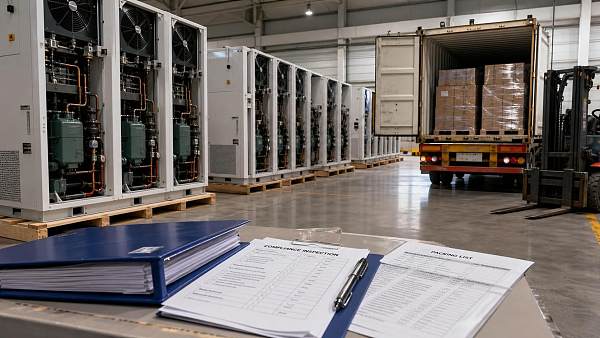
Supply chain participants, including logistics and customs-facing service providers, may also be affected because the rules explicitly mention coordinated resources in these areas. Analysis shows that the significance here is less about a single new shipment rule and more about a policy direction toward full-chain support. In practice, this may raise expectations around document consistency, delivery planning, customs coordination, and response speed when equipment exports involve installation, local handover, or after-sales obligations.
Certification and after-sales support functions become more visible
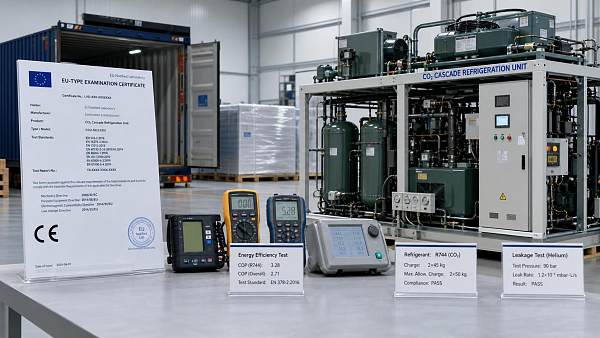
For certification-related service providers, testing support entities, and after-sales operators, what deserves closer attention is the policy recognition of compliance certification and service response as part of outbound capability. The confirmed information does not provide new certification standards or named approval procedures, so it would be premature to treat this as an immediate change in technical requirements. Even so, the rules indicate that these functions are becoming more central to how high-value equipment exports are supported in practice.
What companies should watch during implementation
Track how compliance review is reflected in execution
Analysis shows that companies should watch whether subsequent official wording, implementation guidance, or practical review standards place greater emphasis on pre-export compliance preparation, local certification arrangements, or service capability evidence. Since detailed implementation mechanisms were not provided in the input, this remains a key observation point rather than a confirmed procedural change.
Recheck technical and trade documents as connected materials
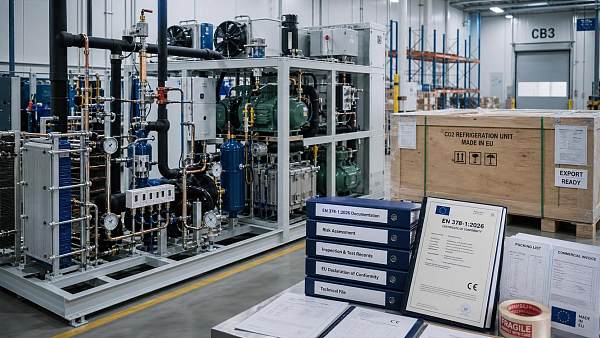
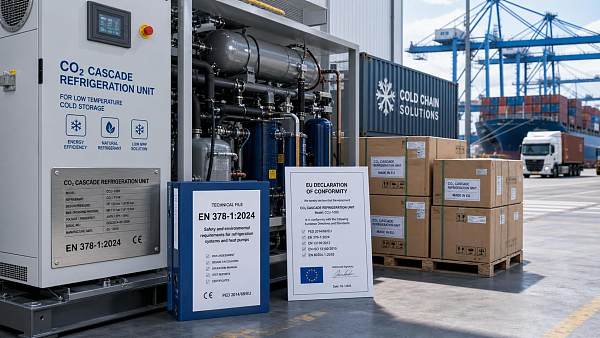
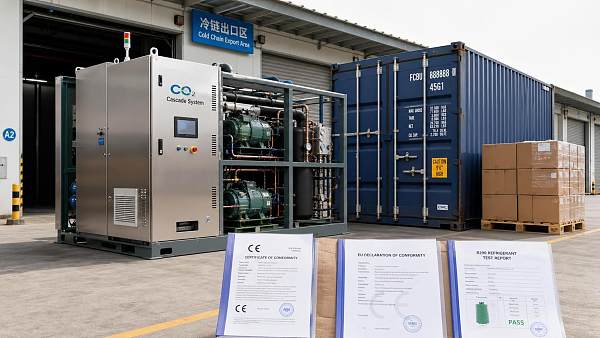
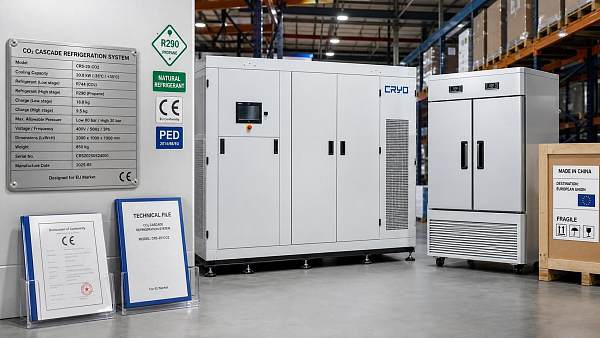
Businesses involved in equipment export should review whether technical files, test reports, product descriptions, customs materials, and commercial documents are prepared in a coordinated way. Observably, when policy attention shifts toward full-chain overseas support, disconnected documentation can become a practical risk in certification, delivery, or after-sales execution.
Review delivery commitments against local service capacity
For suppliers of commercial cold chain equipment, smart retail terminals, and industrial refrigeration systems, it is more appropriate to understand this policy as a reminder to align overseas delivery promises with actual local support arrangements. Areas worth following include service response structure, traceability records, localization readiness, and the ability to support post-delivery obligations without creating compliance or performance gaps.
Watch procurement and partner qualification requirements
From an industry perspective, procurement teams and channel partners should also pay attention to whether buyer-side requirements begin to place more weight on supplier qualifications tied to overseas compliance support, service networks, or coordinated delivery capability. The current information does not confirm such changes, but it does suggest that these factors may become more visible in later commercial execution.
Why this reads as an execution signal
Analysis shows that this development is best understood as an execution-oriented policy signal rather than a stand-alone trade headline. The confirmed facts point to a framework that connects overseas investment governance with practical support resources across legal, financial, customs, logistics, and trade-related functions. For the equipment industry, that matters because overseas expansion increasingly depends not only on product competitiveness, but also on whether compliance certification, local service, and cross-border delivery can be organized as one operational chain.
At the same time, observably, it is still too early to draw firm conclusions about exact implementation intensity, review thresholds, or market-by-market effects because the input does not provide detailed enforcement rules, sector-specific guidance, or official case examples. Continued attention should therefore remain on how the policy is interpreted and applied in practice.
How this is best understood for now
At this stage, the July 1 effective date marks a confirmed policy change, while the deeper business impact should be viewed as a developing process tied to implementation. For companies involved in high-value equipment exports, the practical meaning lies in the stronger policy linkage between outbound investment activity and coordinated overseas support capabilities. It is more appropriate to understand this as a formal rule change with clear operational implications, while keeping expectations measured until more detailed execution signals, compliance interpretations, and market feedback become visible.
Basis of this article and what still needs verification
This article is based on the user-provided news title, event date, and event summary. For developments of this kind, commonly relevant source categories may include official government announcements, releases from regulatory authorities, customs or trade administration information, industry association updates, standards organization documents, and reporting by authoritative media. A specific official source link was not provided in the input, so the exact source document and any later interpretive materials still need ongoing verification.
Further observation is still needed on possible implementation details, compliance interpretation, certification practice, tender document changes, industry feedback, and how companies adjust execution in overseas plant development, localization support, and after-sales systems.
Recommended News
 Sep 16, 2026How Restaurants Can Size Refrigeration Systems for Peak Service and Food SafetyCommercial refrigeration systems for restaurants: size for peak service, rapid recovery, food safety, efficient workflow, and lower operating risk.
 Aug 16, 2026EU F-Gas Rules Take Effect Aug. 18: CO2 Cascade Cold Rooms Face Carbon Footprint LabelingEU F-Gas rules now impact CO2 Cascade Cold Rooms with batteries above 2kWh—see how carbon footprint labeling and import declarations may affect EU market access.
 Aug 15, 2026EU F-Gas Rule to Require Type Certification for CO2 Cascade Cold RoomsEU F-Gas Rule now requires type certification for CO2 Cascade Cold Rooms exported to the EU from 2026. Learn customs risks, testing scope, and compliance steps before shipping.
 Aug 14, 2026China Tightens F-Gas Checks on Commercial Refrigeration ExportsChina tightens F-Gas checks on EU-bound commercial refrigeration exports, putting certificates, GWP files, and customs clearance under sharper scrutiny. Stay ahead of delays and compliance risk.
 Aug 13, 2026EU F-Gas Rule Adds New Certification for CO2 Cold Room ExportsEU F-Gas Rule reshapes CO2 cold room exports from August 15, 2026. Learn how new certification, leak-rate reports, and customs risks could affect delivery, compliance, and EU market access.
![]() Aug 12, 2026Vietnam launches anti-dumping investigation into China’s prestressed steel productsVietnam launches an anti-dumping probe into Chinese prestressed steel, potentially impacting cold room structures, CO2 Cascade systems, costs, compliance, and delivery schedules.
Aug 12, 2026Vietnam launches anti-dumping investigation into China’s prestressed steel productsVietnam launches an anti-dumping probe into Chinese prestressed steel, potentially impacting cold room structures, CO2 Cascade systems, costs, compliance, and delivery schedules. Aug 11, 2026EU F-Gas Rule Now Enforced for CO2 Cascade Cold RoomsEU F-Gas Rule now enforced for CO2 Cascade Cold Rooms: learn how EN 378-1:2026 certification impacts EU exports, customs clearance, supplier approval, and delivery timelines.
 Aug 10, 2026EU Requires EN 378-1:2026 for CO2 Cold Room ExportsEU Requires EN 378-1:2026 for CO2 Cold Room Exports: learn how the new EU compliance rule impacts certification, customs clearance, delivery timelines, and market access.
 Aug 10, 2026How Inverter Refrigeration Improves Energy Efficiency in Commercial Cold RoomsHigh-efficiency refrigeration with inverter technology helps commercial cold rooms cut energy use, improve temperature stability, and reduce cycling stress. Learn when the upgrade delivers real ROI.
 Aug 09, 2026EU Rule Takes Effect for CO2 Cascade Cold RoomsEU Rule Takes Effect for CO2 Cascade Cold Rooms: learn how EN 378-1:2026, CE+UKCA dual marking, and refrigerant limits reshape EU exports, compliance, and delivery.
 Aug 08, 2026EU Tightens F-Gas Transition for CO2 Cold RoomsEU Tightens F-Gas Transition for CO2 Cold Rooms: learn how the August 15, 2026 EU compliance shift impacts EN 378 certification, CE DoC, customs clearance, and on-time delivery.
 Aug 07, 2026EU Tightens EN 378-1:2024 Deadline for CO2 Cold RoomsEU Tightens EN 378-1:2024 Deadline for CO2 Cold Rooms: learn the August 15 certification cut-off, September 1 enforcement, customs risks, and how exporters can protect EU market access.
 Aug 06, 2026EU Tightens F-Gas Transition for CO2 Cold RoomsEU Tightens F-Gas Transition for CO2 Cold Rooms: learn how the new F-Gas notice impacts EU market access, Annex IV lab certification, and shipment timing before September 1, 2026.
 Aug 05, 2026EU F-Gas Rule Tightens CO2 Cold Room Export TimelineEU F-Gas Rule update: CO2 cold room exporters face an October 1, 2026 compliance deadline. Learn how certification, CE filing, and border-entry risks could impact shipments.
 Aug 04, 2026EU Tightens F-Gas Transition for CO2 Cascade Cold RoomsEU Tightens F-Gas Transition for CO2 Cascade Cold Rooms: learn how the October 1, 2026 R290 certification and CE Annex IV rules could impact EU market access, delivery timelines, and export compliance.
 Aug 03, 2026EU F-Gas Rule Takes Effect: R290 Certification Becomes a Prerequisite for CO2 Cascade Cold Room ExportsEU F-Gas Rule takes effect: R290 certification is now essential for CO2 Cascade Cold Room exports. Learn the new EU compliance impact on access, lead times, and delivery planning.
 Aug 01, 2026EU F-Gas Rule Takes Effect for CO2 Cascade Cold RoomsEU F-Gas Rule now impacts CO2 Cascade Cold Rooms exported to the EU. Learn the 2026 leak monitoring, EN 14800:2025, and customs clearance requirements before shipment.
 Jul 31, 2026EU F-Gas Revision Takes Effect for CO2 Cold RoomsEU F-Gas revision takes effect for CO2 cold rooms from August 1, 2026. Learn the new leak monitoring, CE compliance, certificate, and customs risks affecting EU shipments.
 Jul 30, 2026EU F-Gas Rule Takes Effect for CO2 Cascade Cold RoomsEU F-Gas Rule now impacts CO2 Cascade Cold Rooms entering Europe. Learn how AI leak monitoring, CE marking, and customs compliance could affect exporters, buyers, and delivery plans.
 Jul 30, 2026How to Evaluate a CO2 Display Refrigeration Manufacturer for Retail Projects?CO2 display refrigeration manufacturer evaluation starts with project fit, compliance, true CO2 expertise, and total cost. Learn how retail buyers choose reliable partners.
 Jul 29, 2026EU F-Gas Grace Period Ends for CO2 Cold Room ExportsEU F-Gas Grace Period Ends for CO2 Cold Room Exports on July 28, 2026. Learn the new EN 16798-2, CE, UKCA, and type-test compliance rules to avoid border delays.
 Jul 28, 2026EU F-Gas Rule Triggers AI Leak Certification for CO2 Cold RoomsEU F-Gas Rule reshapes CO2 cold room exports: learn how AI leak certification, EN 16798-2:2026 compliance, and inspection proof now decide EU market access.
 Jul 27, 2026EU F-Gas Rule Takes Effect for CO2 Cold Room ExportsEU F-Gas Rule takes effect for CO2 cold room exports on July 27, 2026. Learn the new EN 378-4:2024 monitoring, certification, and customs compliance steps for EU market entry.
 Jul 26, 2026EU F-Gas Amendment Targets AI Leak MonitoringEU F-Gas amendment targets AI leak monitoring for CO2 cascade cold rooms. Learn the new EU compliance rules, EN 378-4:2025 certification, customs checks, and how to prepare exports before October 1, 2026.






Editor's Selection
The Archive Newsletter
Critical industrial intelligence delivered every Tuesday. Peer-reviewed summaries of the week's most impactful logistics and market shifts.