
What to check before buying commercial laundry systems
by
Published
Views:
Before buying commercial laundry systems, the most important step is defining operational reality, not chasing the lowest quote. Laundry volume, linen types, utility conditions, hygiene targets, and service continuity all shape the right decision.
A suitable system supports faster linen turnover, stable wash quality, lower labor pressure, and predictable operating costs. A poor choice often leads to bottlenecks, rewash rates, downtime, rising energy bills, and avoidable replacement expense.
For hotels, healthcare sites, laundromats, multi-housing facilities, and service chains, commercial laundry systems are long-life assets. Evaluation should therefore focus on total performance across years, not only on purchase price.
Core definition and system scope
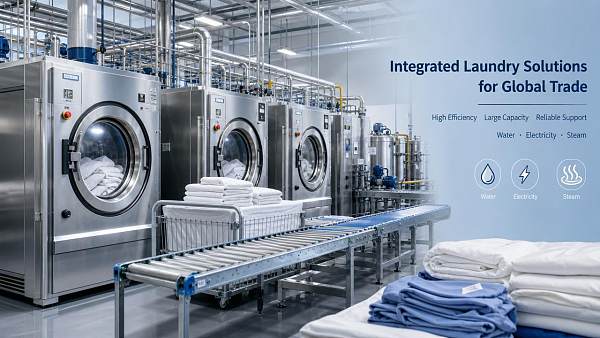
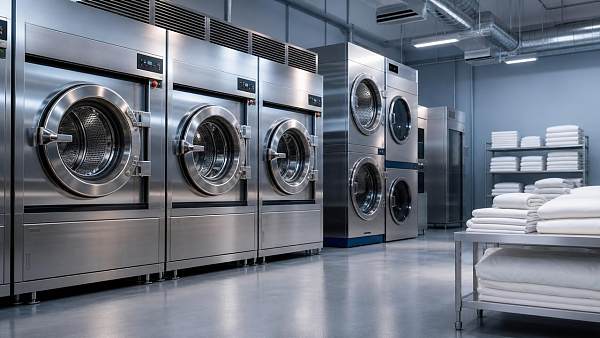
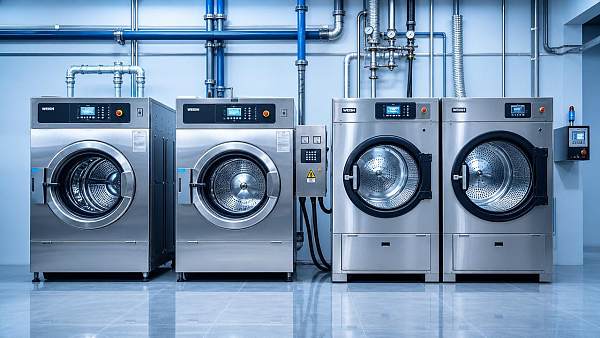
Commercial laundry systems usually include washers, extractors, dryers, finishing equipment, water heating support, chemical dosing, ventilation, and control software. In many projects, workflow layout matters as much as machine specifications.
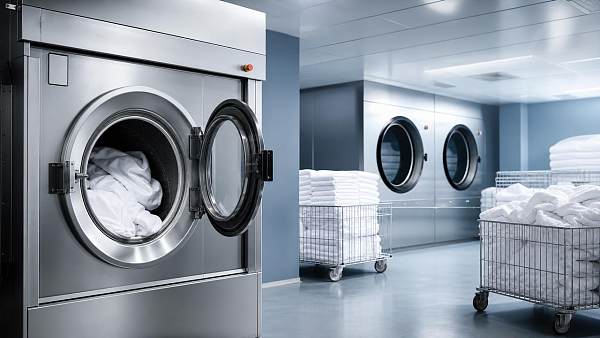
Unlike household appliances, commercial laundry systems are designed for repeated daily cycles, heavier loads, stronger extraction, and stricter hygiene requirements. Their value comes from throughput stability under demanding operating conditions.
Some installations require barrier washers, ozone support, heat recovery, stack dryers, or remote diagnostics. Others need compact footprints, easy maintenance access, or integration with billing and facility management systems.
Main purchase dimensions
- Capacity and hourly throughput
- Fabric care and wash quality
- Energy, gas, steam, and water efficiency
- Reliability, uptime, and serviceability
- Compliance, safety, and hygiene performance
- Lifecycle cost and upgrade flexibility
Current market signals affecting commercial laundry systems
The market for commercial laundry systems is shifting toward efficiency, data visibility, and lower environmental impact. Rising utility prices and labor constraints are pushing buyers to prioritize measurable long-term performance.
At the same time, service expectations are stricter. Cleanliness standards, turnaround speed, and machine uptime now directly affect guest experience, patient safety, tenant satisfaction, and brand consistency.
What to check before buying commercial laundry systems
Real processing capacity
Rated load alone can mislead. Check kilograms per hour, cycle duration, extraction speed, drying time, and peak-day demand. The right commercial laundry systems must absorb surges without creating linen shortages.
It also helps to compare usable capacity against the actual linen mix. Sheets, towels, uniforms, mops, and delicate garments behave differently in the same drum size.
Utility compatibility
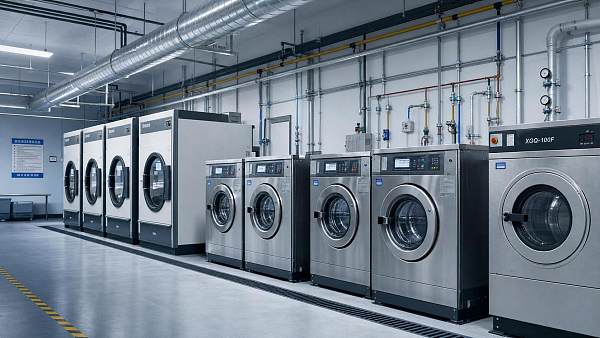
Check electrical supply, gas type, steam availability, water pressure, drainage, ventilation, and floor loading. Many commercial laundry systems underperform because installation conditions were assumed rather than verified.
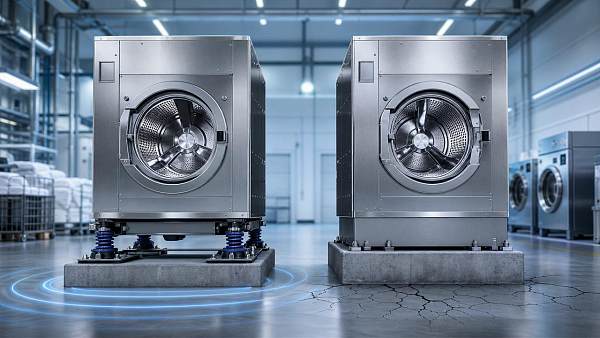
High-spin extraction can lower dryer energy use, but it may require stronger foundations or vibration control. Site readiness should be reviewed before final equipment selection.
Durability and construction quality
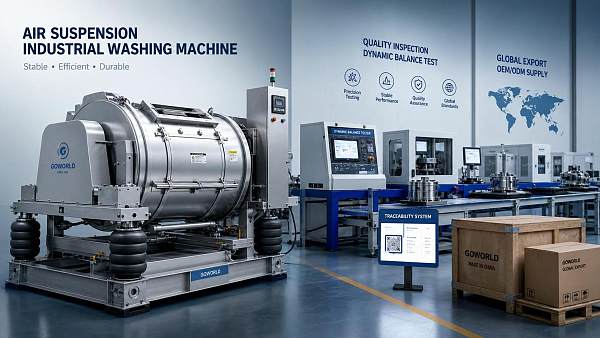
Inspect frame design, drum material, bearing quality, suspension systems, seals, and corrosion resistance. Commercial laundry systems in humid, high-cycle environments need industrial-grade components that tolerate continuous use.
Ask for expected cycle life, major component replacement intervals, and maintenance history from comparable installations. Durable construction lowers service interruptions and protects output consistency.
Water, energy, and chemical efficiency
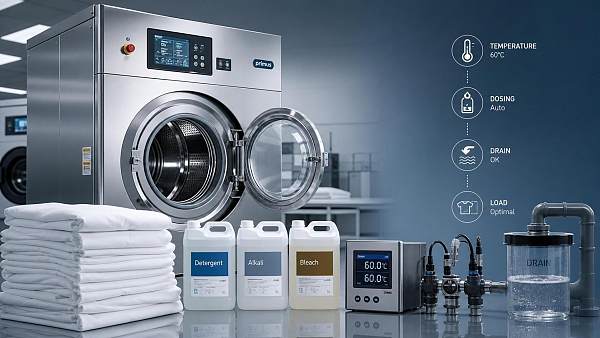
Efficient commercial laundry systems reduce water per kilogram, shorten drying time, and optimize detergent dosing. Look for programmable cycles, moisture sensing, heat recovery, and intelligent load management.
These features influence total cost of ownership more than many buyers expect. Small per-cycle savings become significant in high-frequency operations running every day.
Serviceability and spare parts support
Downtime is expensive. Check spare parts availability, technician coverage, remote diagnostics, warranty terms, and average response times. The best commercial laundry systems are not only efficient, but also easy to maintain.
Panel access, filter cleaning, belt replacement, and software troubleshooting should be straightforward. Maintenance complexity often becomes visible only after installation, so it should be evaluated early.
Compliance and hygiene performance
Commercial laundry systems may need to meet local safety codes, wastewater rules, electrical standards, and infection-control protocols. In sensitive settings, documented temperature accuracy and process traceability are essential.
Review certifications carefully. Also verify whether the system supports required disinfection cycles, separated clean and dirty flows, or chemical dosing records for audits.
Business value of choosing the right system
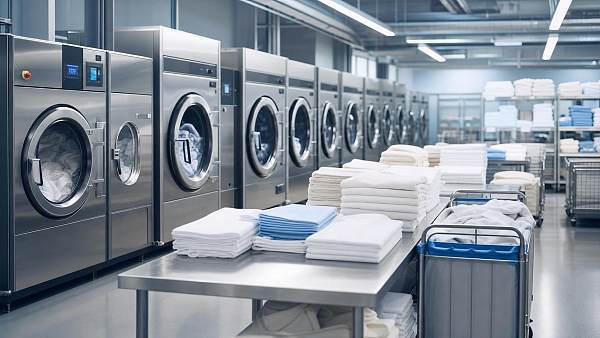
Well-matched commercial laundry systems improve operational resilience. Faster turnaround reduces linen inventory pressure, while stable cycle quality lowers rewash rates and extends textile life.
There is also a direct financial effect. Lower water, gas, and electricity use reduces monthly operating costs, and predictable uptime minimizes disruption across service-dependent environments.
In broader facility ecosystems, commercial laundry systems support sustainability reporting and smarter asset planning. Connected controls can reveal underloading, over-drying, or recurring faults before they become costly patterns.
Typical application scenarios and selection priorities
Practical evaluation checklist before final selection
- Map daily, weekly, and seasonal laundry volumes.
- Separate loads by fabric type, soil level, and hygiene requirement.
- Confirm utility capacity and installation constraints on site.
- Compare commercial laundry systems by throughput, not only drum size.
- Request operating cost estimates for water, energy, chemicals, and maintenance.
- Review warranty scope, spare parts stock, and technical support coverage.
- Verify compliance documents and hygiene-related performance records.
- Check expansion options for future growth or service model changes.
When possible, ask for performance data from installations with similar loads and operating hours. Real-world evidence often reveals more than brochure specifications.
Next-step planning for a more reliable purchase
A disciplined buying process starts with a site audit, utility review, and realistic throughput model. That foundation makes it easier to compare commercial laundry systems on facts rather than assumptions.
Next, build a side-by-side matrix covering cycle time, resource consumption, service terms, compliance, and expected lifecycle cost. This structure helps identify the system that best fits operational priorities.
For any facility planning equipment renewal or expansion, careful evaluation of commercial laundry systems can protect service quality for years. The strongest choice is the one that delivers durable capacity, controllable costs, and dependable daily performance.
Recommended News
 Oct 20, 2026Commercial Laundry Equipment in Europe: Comparing Total Cost of OwnershipCompare commercial laundry equipment Europe buyers can trust. Uncover installation, energy and service costs to find the lowest lifetime cost per kilogram and invest with confidence.
 Oct 05, 2026What Laundry Machine Capacity Is Right for Hotel Linens?What industrial laundry machine capacity is suitable for hotel linens? Learn how to size washers for peak loads, linen mix, turnaround time, and efficient hotel operations.
 Aug 30, 2026How High-Frequency Commercial Washers Cut Energy Use in High-Volume LaundriesDiscover how high-frequency commercial washers energy saving strategies reduce water, heat, and drying costs while maintaining hygiene and throughput in high-volume laundries.
 Jul 11, 2026Industrial Washer Extractors Price Guide: What Affects Cost and Total Ownership?Industrial washer extractors price explained: compare cost drivers, price ranges, and total ownership factors to choose a machine that saves more over time.
 Jul 09, 2026Commercial Laundry Equipment for Nursing Homes: Washer and Dryer Sizing by Resident LoadCommercial laundry equipment for nursing homes should match resident load, linen volume, and staffing. Learn how to size washers and dryers for reliable throughput, hygiene, and lower operating costs.
 Jul 08, 2026Shanghai Port Improves, But Laundry Exports Still LagShanghai Port improves, but laundry exports still lag as soft-mount washer extractors and dry cleaners face 22-day delays. See what component shortages mean for buyers and suppliers.
 Jul 05, 2026How to Evaluate a High-Frequency Laundry Supplier for Hotels and HealthcareHigh-frequency laundry supplier selection affects hygiene, uptime, and cost. Learn how hotels and healthcare teams compare durability, compliance, service, and TCO.
 Jul 01, 2026High Frequency Laundry Equipment Price Guide: What Drives Cost and ROI?High frequency laundry equipment price explained: discover what drives cost, hidden expenses, and how to measure ROI, uptime, and long-term savings before you buy.
 Jun 30, 2026How to Evaluate an Air Suspension Industrial Washers Exporter for Stable OEM SupplyAir suspension industrial washers exporter selection starts with proof, not promises. Learn how to assess OEM supply stability, compliance, quality control, and warranty support before you buy.
 Jun 30, 2026Commercial Laundry Equipment Installation: Site Requirements, Utilities, and Common MistakesCommercial laundry equipment installation guide covering site requirements, utilities, drainage, ventilation, and common mistakes to help improve safety, uptime, and project performance.
 Jun 24, 2026How to Choose High-Frequency Laundry Systems for Hotels, Hospitals, and LaundromatsHigh-frequency laundry buying guide for hotels, hospitals, and laundromats. Compare capacity, hygiene, uptime, and lifecycle cost to choose a smarter system.
 Jun 23, 2026Industrial Washers Not Cleaning Properly? 7 Common Causes and How to Fix ThemIndustrial washers not cleaning properly? Discover 7 common causes—from dosing and temperature to loading and drainage—and learn practical fixes to cut rewash costs fast.
 Jun 18, 2026Commercial Laundry Equipment Cost Breakdown: What Drives CAPEX, Utilities, and Service NeedsCommercial laundry equipment cost goes beyond machine price. Learn what drives CAPEX, utilities, maintenance, and downtime to compare quotes wisely and lower total ownership cost.
 Jun 16, 2026Industrial Laundry Machines for Hotels and Hospitals: Capacity, Utility Load, and Workflow FitIndustrial laundry machines for hotels and hospitals: compare capacity, utility load, hygiene needs, and workflow fit to choose efficient systems that reduce bottlenecks and support reliable daily operations.
 Jun 15, 2026Commercial Laundry Equipment Costs: What Drives ROI for Hotels, Clinics, and LaundriesCommercial laundry equipment costs vary far beyond purchase price. Discover what drives ROI for hotels, clinics, and laundries, from extraction and utilities to uptime and service.
 Jun 11, 2026Industrial Washers for Hotels: How to Size Loads, Cycle Time, and Utility DemandIndustrial washers for hotels: learn how to size loads, shorten cycle time, and plan utility demand for better laundry efficiency, lower costs, and smarter hotel operations.
 Jun 10, 2026Industrial Laundry Machines: Key Capacity, Extraction, and Utility Factors for Plant BuyersIndustrial laundry machines for plant buyers: compare capacity, extraction, utilities, and controls to cut operating costs, improve throughput, and choose the right system with confidence.
![]() Jun 09, 2026How to Evaluate an Industrial Laundry Machines Supplier for Capacity, Service, and ROIIndustrial laundry machines supplier evaluation made simple: compare capacity, service response, and lifecycle ROI to choose a reliable partner and reduce downtime, costs, and risk.
Jun 09, 2026How to Evaluate an Industrial Laundry Machines Supplier for Capacity, Service, and ROIIndustrial laundry machines supplier evaluation made simple: compare capacity, service response, and lifecycle ROI to choose a reliable partner and reduce downtime, costs, and risk. Jun 01, 2026Are industrial washers for hotels worth the upgrade?Industrial washers for hotels can cut laundry costs, improve hygiene, protect linens, and boost throughput. Learn when upgrading delivers real ROI.
 May 26, 2026What to check before buying commercial laundry systemsCommercial laundry systems buying guide: learn what to check for capacity, utility fit, hygiene, durability, and lifecycle cost before you invest in a reliable, efficient setup.
 May 22, 2026How commercial laundry equipment affects daily throughputCommercial laundry equipment directly impacts daily throughput, labor efficiency, and linen quality. Learn how to reduce bottlenecks, cut downtime, and improve laundry performance.
 May 20, 2026Industrial Washers: Soft-Mount vs Hard-Mount in 2026Industrial washers in 2026: compare soft-mount vs hard-mount for vibration, installation cost, energy savings, and ROI to choose the best fit for your facility.
 May 20, 2026Industrial Laundry Machines: Downtime Causes and FixesIndustrial laundry machines downtime guide: learn the top failure causes, practical fixes, and checklist-based maintenance steps to restore uptime faster and reduce repeat breakdowns.


Editor's Selection
The Archive Newsletter
Critical industrial intelligence delivered every Tuesday. Peer-reviewed summaries of the week's most impactful logistics and market shifts.